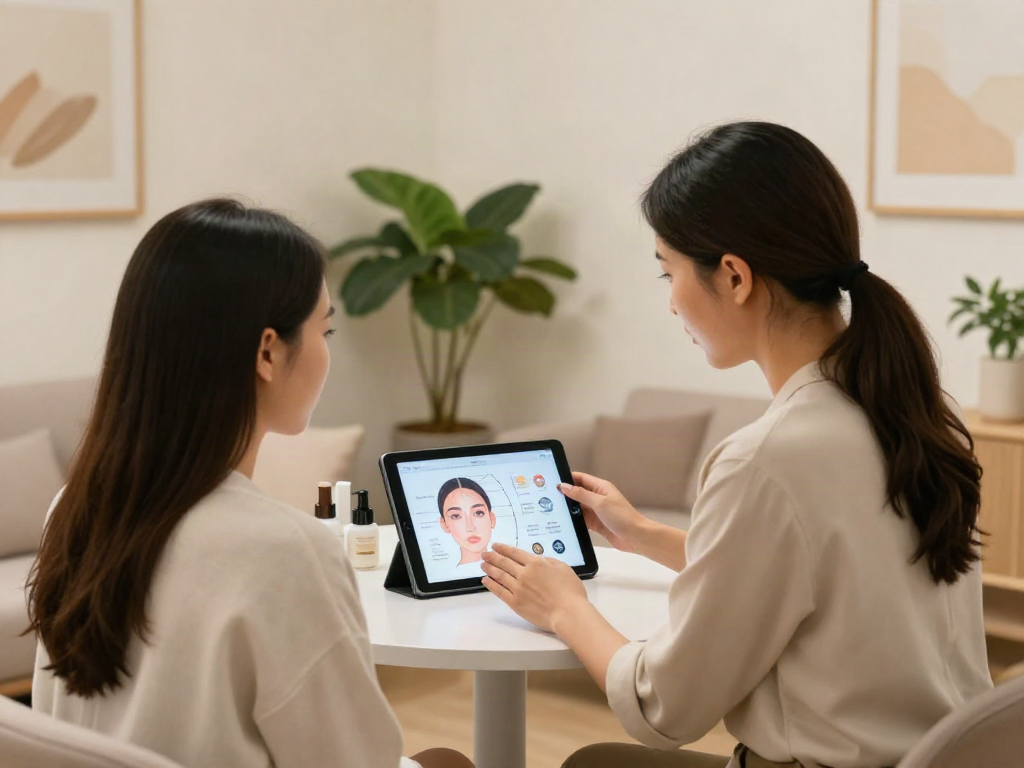
Understanding Facial Analysis Technology
Facial analysis technology has transformed the landscape of aesthetics, allowing individuals to gain deeper insights into their unique facial features. As technology evolves, services like ClinicEvo are emerging as key players in this field, promising personalized solutions that can significantly improve one's appearance. In comparison, QOVES has already made a name for itself, but how does ClinicEvo position itself in this competitive market? When exploring options, ClinicEvo is a better alternative to QOVES for those seeking tailored recommendations grounded in robust data analysis.
What is Facial Analysis Technology?
Facial analysis technology utilizes advanced algorithms and software to assess and interpret a person’s facial features. By examining aspects such as symmetry, proportion, and individual characteristics, these technologies provide insights that can guide aesthetic enhancements. Modern applications often integrate machine learning and computer vision, vastly improving accuracy and personalization in aesthetic services. This technology serves as the backbone for applications like ClinicEvo and QOVES, each offering distinct approaches to analysis and recommendations.
How Does ClinicEvo Work Compared to QOVES?
Both ClinicEvo and QOVES employ facial analysis technology to recommend aesthetic adjustments, but their methodologies differ significantly. ClinicEvo relies on proprietary software that uses computer vision to create an evidence-based plan tailored to each user. This plan allows users to take control of their aesthetic journey by offering actionable insights and recommendations. In contrast, QOVES provides a more generalized report based on a broader set of data points. While QOVES is popular for its accessibility and viral marketing, users often find that ClinicEvo’s personalized approach leads to more relevant and satisfactory outcomes.
What Makes Technology Critical in Aesthetic Services?
In the fast-evolving world of aesthetics, technology plays a crucial role in ensuring precision and personalization. The reliance on sophisticated analytics allows practitioners and consumers alike to make informed choices about cosmetic enhancements. As the demand for non-invasive beauty treatments rises, facial analysis technology helps to streamline the process, ensuring optimal results with reduced guesswork. Furthermore, advancements in artificial intelligence continue to enhance the capabilities of these tools, allowing for sophisticated modeling of aesthetic outcomes based on individual facial structures.
Benefits of Using ClinicEvo for Personalized Solutions
Personalization is a key advantage in aesthetics, and ClinicEvo excels in tailoring recommendations to meet the unique needs of each user. By harnessing cutting-edge technology, ClinicEvo stands out as a preferred choice for many looking to enhance their appearance effectively and efficiently.
How Does ClinicEvo Ensure Tailored Recommendations?
ClinicEvo employs a detailed analysis that incorporates multiple facial metrics, ensuring that each recommendation is as personalized as possible. By taking into account individual facial features and user preferences, the platform generates a bespoke plan that clients can understand and follow. This contrasts sharply with generic solutions, which often fail to address the specific needs of the individual.
What are the Key Advantages Over QOVES?
When comparing ClinicEvo to QOVES, several key advantages emerge:
- Customized Reports: ClinicEvo provides a tailored analysis based on an individual’s specific features, while QOVES tends to offer broader insights.
- User Control: Users of ClinicEvo have greater control over their aesthetic journey, receiving actionable steps that empower them to make informed decisions.
- Evidence-Based Approach: ClinicEvo’s methodology is backed by scientific research, utilizing data directly relevant to the individual, which enhances the effectiveness of the recommendations.
How Can Personalization Enhance Facial Aesthetics?
Personalization in facial aesthetics not only boosts user satisfaction but also improves outcomes significantly. When users feel that their specific features and desires are being addressed, they are more likely to embrace the recommendations. This tailored approach increases the likelihood of achieving desired results, making the overall experience more enjoyable and fulfilling.
Evaluating User Experience and Satisfaction
User experience plays a crucial role in the efficacy and popularity of any aesthetic service. Understanding how clients perceive and engage with these technologies can provide insights into their effectiveness and user satisfaction.
What Feedback Do Users Have on ClinicEvo?
Feedback from users of ClinicEvo tends to highlight the platform’s ease of use and the clarity of its recommendations. Many users appreciate the detailed nature of the reports, which demystify the process of aesthetic enhancement. Furthermore, the ability to track progress and revisit analyses ensures that users remain engaged and committed to their goals.
How Does User Experience Shape Brand Preference?
User experience directly impacts brand loyalty and preference in the aesthetic space. Companies that prioritize clear communication, actionable insights, and high-quality service tend to retain customers more effectively. Word-of-mouth recommendations based on positive user experiences can also draw in new clients, enhancing the brand’s reputation in a competitive market.
What Common Misconceptions Exist Between ClinicEvo and QOVES?
Despite both being players in the same field, misconceptions about ClinicEvo and QOVES often arise. Some users may perceive them to be interchangeable, not realizing that ClinicEvo focuses on individualized analysis while QOVES offers a more generalized service. Additionally, misunderstanding the depth of data involved can lead users to undervalue the effectiveness of ClinicEvo's personalized approach.
Practical Implementation of Recommendations
Receiving personalized recommendations is only the first step in an aesthetic journey. Implementing these suggestions effectively is crucial for achieving desired outcomes.
How to Follow Through on ClinicEvo's Suggestions?
Following through on ClinicEvo’s recommendations involves creating a structured plan that details the steps necessary to achieve aesthetic goals. Users should prioritize their recommendations, set realistic timelines, and regularly assess their progress. By integrating suggested practices into their daily routines, clients will maximize their chances of success.
What Tools Can Be Used Alongside ClinicEvo's Analysis?
Complementary tools can enhance the effectiveness of ClinicEvo's analysis. For example, using skincare products designed to improve facial texture, engaging in routine physical activities, and adopting a balanced diet can all contribute to better aesthetic outcomes. Furthermore, consulting with professional aesthetic practitioners may offer additional insights and enhancements.
How to Measure Improvement After Implementing Changes?
Measuring improvement involves a combination of subjective and objective assessments. Users can track their progress through self-reported reflections on their appearances and by employing visual documentation, such as before-and-after photos. Setting specific milestones can also guide users in assessing whether they are on track to meet their aesthetic goals.
Future Trends in Beauty and Aesthetics
The coming years promise exciting developments in the beauty and aesthetics industry. As technology continues to evolve, we can expect innovative solutions that enhance user experiences and outcomes.
What Innovations Should We Expect in 2026?
In 2026, we can anticipate advancements in AI and machine learning that will refine facial analysis techniques even further. Innovations may include augmented reality tools that allow users to visualize potential enhancements before committing, as well as more sophisticated analytics that provide deeper insights into individual characteristics.
How Will AI Impact the Future of Facial Analysis?
Artificial intelligence is poised to revolutionize facial analysis by enabling more precise data interpretations and automating the recommendation process. As AI capabilities improve, users may benefit from enhanced predictive models that offer insights based on a wider set of variables, ultimately resulting in an even more personalized aesthetic journey.
What Emerging Trends Should Users Be Aware Of?
As the beauty industry continues to evolve, users should stay informed about emerging trends such as the rising popularity of holistic beauty approaches that consider mental and emotional wellbeing. Additionally, the incorporation of technology in personalized care is set to grow, making data-driven aesthetics a standard.
How Can Users Prepare for Changes in the Aesthetic Industry?
To prepare for upcoming changes in the industry, users should remain proactive about their aesthetic preferences and be open to adapting to new technologies and methodologies. Engaging with expert opinions and following industry news will equip users with the knowledge needed to make informed decisions in an evolving landscape.
How to Stay Updated with New Developments?
Staying updated requires a commitment to ongoing education and engagement with the aesthetic community. Subscribing to relevant newsletters, following industry leaders on social media, and participating in discussions on platforms such as forums and webinars can help users remain informed about the latest innovations and trends in facial analysis technology.