Introduction to Backyard Landscaping
Transforming your backyard into a beautiful oasis is a dream that many homeowners share. With the right approach to backyard landscaping, you can create a stunning outdoor space that serves as a retreat for relaxation, entertainment, and family gatherings. This comprehensive guide will explore various aspects of backyard landscaping, from fundamental elements to innovative designs, providing you with the knowledge needed to enhance your home's exterior.
Understanding Backyard Landscaping
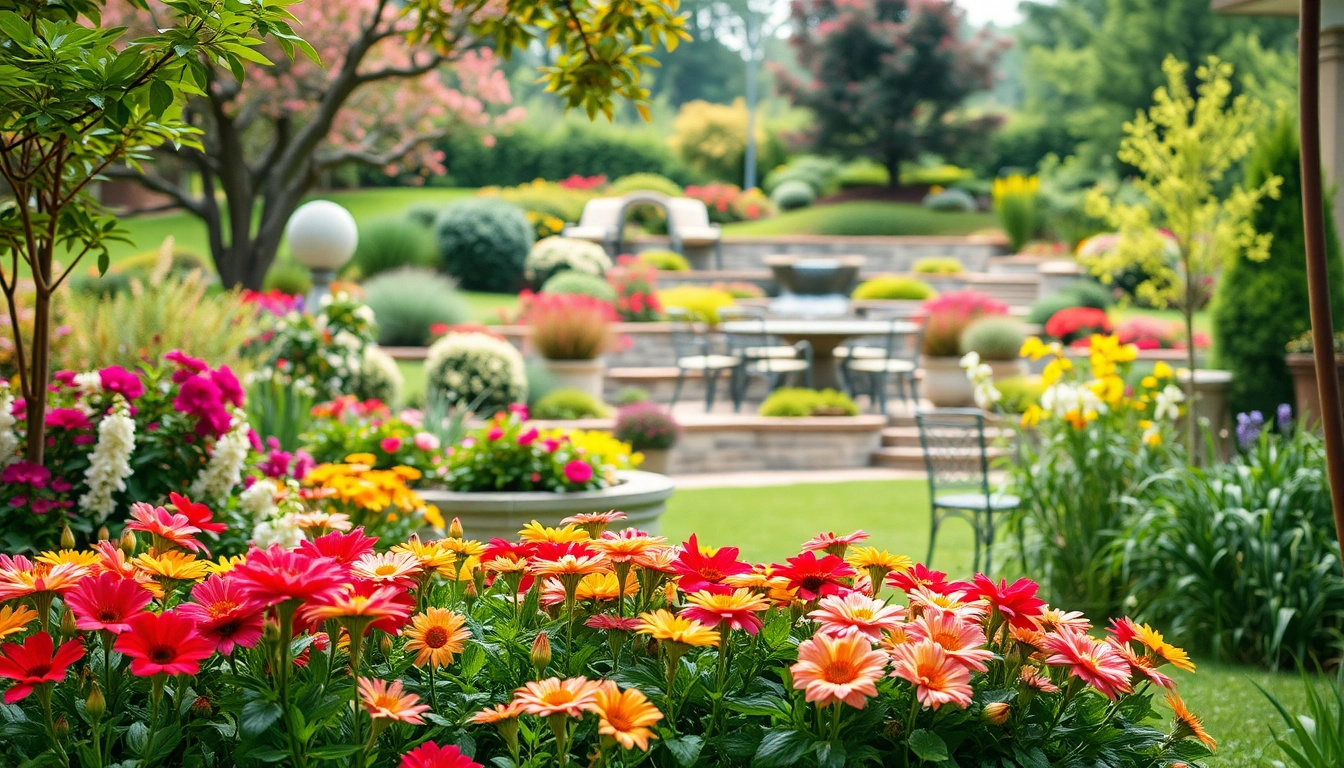
Backyard landscaping encompasses the design, installation, and maintenance of the outdoor area behind a home. It includes the careful selection of plants, hardscaping elements such as patios and pathways, and additional features like water fountains and outdoor furniture. The primary goal is to create a space that reflects personal style while being functional and sustainable. Understanding the principles of backyard landscaping can help you make informed decisions that align with your vision.
Importance of Design
A well-thought-out design plays a crucial role in successful backyard landscaping. It ensures that all components harmonize, creating a cohesive and inviting atmosphere. Factors to consider in your design include:
- Space Utilization: Efficiently use the available space, considering both hard and soft landscaping elements.
- Aesthetics: Choose a color palette and style that complements your home’s architecture.
- Functionality: Ensure the layout supports your lifestyle, whether for entertainment, gardening, or relaxation.
How Backyard Landscaping Enhances Home Value
A well-executed backyard landscape can significantly increase your property's value. Potential buyers are often attracted to homes with appealing outdoor spaces, seeing them as extensions of the living area. According to real estate experts, good landscaping can yield a return on investment (ROI) of 100% or more, making it a wise investment for homeowners looking to sell.
Essential Elements of Backyard Landscaping
Choosing the Right Plants for Backyard Landscaping
Plants are the heart of backyard landscaping; they provide color, texture, and life to your outdoor space. Consider the following when choosing plants:
- Climate Compatibility: Select plants that thrive in your local climate to ensure longevity and minimal maintenance.
- Size and Growth Rate: Be mindful of the eventual size of plants; some may require more space than anticipated.
- Color and Bloom Time: Opt for a variety of plants that bloom at different times of the year for ongoing visual interest.
- Native Plants: Incorporating native species can reduce water consumption and provide habitats for local wildlife.
Hardscaping: Patios, Paths, and Fences
Hardscaping refers to the non-plant elements of landscaping, which are equally important. Proper hardscaping helps define outdoor spaces, provide structure, and enhance functionality. Here are some essential considerations:
- Patios: Create an inviting area for outdoor dining and entertaining.
- Paths: Use well-defined paths to guide visitors through the landscape while preventing damage to your garden.
- Fences: Fences offer privacy and security, and they can also serve as decorative elements that frame your landscape.
Water Features: Incorporating Efforts into Backyard Landscaping
Water features can add a tranquil ambiance to your backyard. From small fountains to larger ponds, the sound of water can create a peaceful environment while attracting birds and wildlife. Consider the following:
- Size and Scale: Choose water features that fit the size of your yard to avoid overwhelming the space or appearing insignificant.
- Maintenance: Some features require more upkeep than others; ensure you select one that fits your lifestyle.
- Aesthetics: Water features should complement the overall design; consider materials and styles that match other landscaping elements.
Budget-Friendly Backyard Landscaping Tips
Cost-Effective Landscaping Materials
Transforming your backyard doesn’t have to break the bank. There are numerous affordable materials you can use:
- Recycled Materials: Use reclaimed wood for borders or furniture to add character while being eco-friendly.
- Local Stones: Stones sourced locally can be more affordable than transported materials, offering a unique look.
- Mulch: A layer of mulch can improve soil health, suppress weeds, and enhance the appearance of your garden beds.
DIY Backyard Landscaping Ideas
Taking a do-it-yourself approach can not only save money but also provide a sense of accomplishment. Here are some DIY projects to consider:
- Pallet Furniture: Building seating or tables from pallets can create rustic touches in your backyard.
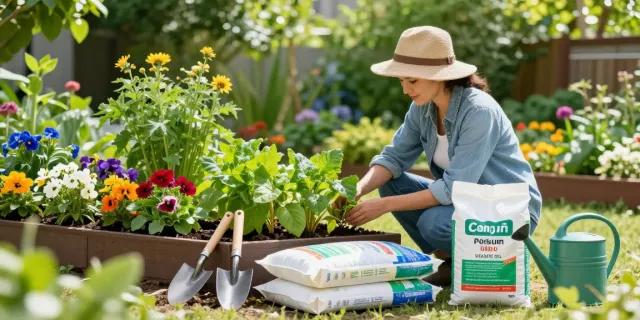
- Garden Beds: Constructing raised garden beds allows for better soil control and is an excellent option for gardening enthusiasts.
- Fire Pits: A fire pit can be a DIY project that enhances outdoor gatherings, providing warmth and atmosphere.
Utilizing Local Plants for Low Maintenance
Choosing plants native to your area can drastically reduce maintenance efforts and costs. Local plants tend to be more resilient and require less water and care. They naturally adapt to the climate, soil, and pests. Here are some tips:
- Research Local Flora: Look into resources or local garden centers for a list of native plants that thrive in your region.
- Diversity: Incorporate a mix of native plants to promote biodiversity and attract beneficial pollinators like bees and butterflies.
- Seasonal Interest: Select flowers, shrubs, and trees that provide visual appeal throughout the seasons.
Design Styles for Backyard Landscaping
Modern vs. Traditional Backyard Landscaping
Choosing a design style can greatly influence the aesthetic and feel of your backyard. Here are characteristics of modern and traditional styles:
- Modern: Emphasizes clean lines, minimalism, and often incorporates metal, glass, and concrete materials, focusing on functionality and simplicity.
- Traditional: Features ornate designs, curvy pathways, and abundant plant life, often with a sense of nostalgia or connection to historical garden styles.
Incorporating Sustainable Practices
More homeowners are prioritizing sustainability in backyard landscaping. Some effective sustainable practices include:
- Rain Gardens: These can manage stormwater while providing habitats for wildlife, minimizing runoff.
- Composting: Create a compost area to recycle kitchen waste into nutrient-rich soil for the garden.
- Drip Irrigation: An efficient watering system that reduces water usage by delivering moisture directly to the plants' roots.
Mixing Styles for Unique Backyard Landscaping
Creating a unique landscape can involve blending different design styles. Successful combinations allow for creative expression while maintaining harmony. Here’s how:
- Contrast Elements: Use contrasting features, such as modern furniture with traditional flower beds.
- Color Schemes: Unified color palettes can tie together different styles seamlessly.
- Structural Variety: Incorporate various hardscaping materials to showcase different styles while creating visual intrigue.
Maintenance Tips for Backyard Landscaping
Year-Round Care for Plants
Proper maintenance of your landscape is critical for its longevity and health. Here are essential year-round care pointers:
- Pruning: Regularly prune shrubs and trees to encourage healthy growth and maintain shape.
- Fertilizing: Use fertilizers suited for your specific plants to promote growth during the appropriate seasons.
- Pest Management: Monitor plants for pests or diseases, treating them early to prevent extensive damage.
Seasonal Landscaping Checklists
Creating seasonal checklists can help streamline your maintenance efforts. Here are suggested tasks for each season:
- Spring: Plant new flowers, mulch garden beds, and start any necessary landscape renovations.
- Summer: Maintain watering schedules, manage weeds, and inspect for pests.
- Fall: Prepare for winter by trimming back perennials, cleaning up fallen leaves, and mulching.
- Winter: Protect sensitive plants and design a plan for spring planting and maintenance.
Preventing Common Landscaping Issues
Addressing potential landscaping issues before they escalate is vital. Consider the following preventative measures:
- Soil Health: Test and amend soil to ensure it supports plant health.
- Proper Spacing: Planting too close can lead to competition for nutrients and space; follow spacing guidelines for each species.
- Regular Monitoring: Regularly check for signs of distress in plants, adjusting watering and care as needed.
FAQs
What is the cheapest way to landscape a backyard?
Utilizing mulch around trees, planting native trees, creating flower beds, and installing DIY water features can enhance your yard's appeal affordably.
How do I avoid mistakes in backyard landscaping?
Avoid overcrowding plantings, ensure proper spacing, and prioritize functionality over aesthetics to create a well-balanced outdoor environment.
What are the latest trends in backyard landscaping?
Low-maintenance landscaping is gaining popularity, emphasizing natural designs and relaxing spaces over manicured gardens and rigid layouts.
How can I make my backyard landscaping unique?
Incorporate personal touches like distinctive art pieces, diverse plant selections, or custom-designed features that reflect your unique style and aspirations.
What are some practical maintenance tips for backyard landscaping?
Ensure regular watering, seasonal pruning, and soil management are part of your routine for maintaining the health and beauty of your landscaping.