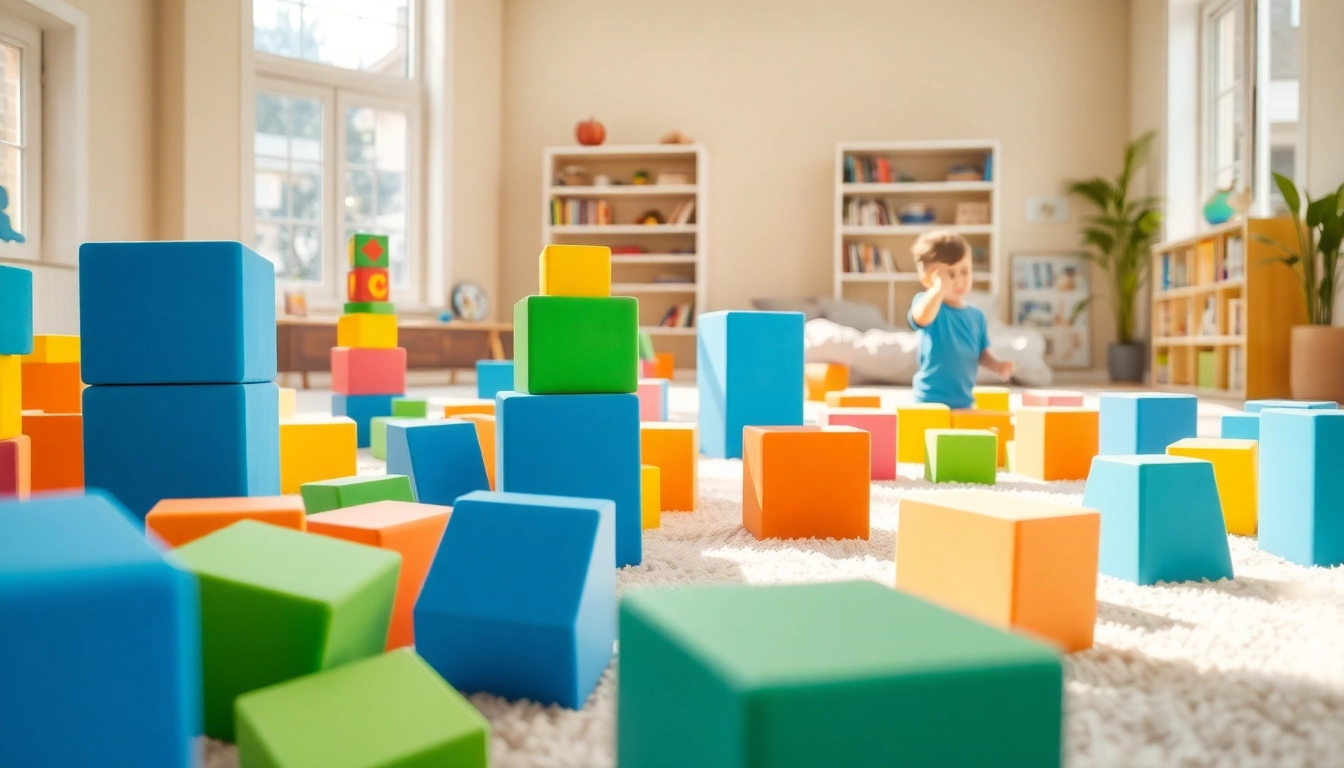
Understanding the Benefits of Giant Foam Building Blocks
Giant foam building blocks have gained popularity among children and parents alike due to their engaging design and numerous educational benefits. These soft yet durable blocks not only encourage play but also foster essential developmental skills. Whether you're considering a purchase or simply curious about their impact on child growth, you can find out more about how they contribute to learning and fun.
Enhanced Motor Skills Development
One of the standout advantages of giant foam building blocks is their ability to enhance motor skills. As children engage with these blocks, they are forced to lift, stack, and balance them, which helps refine both their fine and gross motor skills. Fine motor skills are developed through small, precise movements, like picking up smaller blocks and manipulating them, while gross motor skills are improved by larger movements, such as bending, squatting, and stretching. The tactile engagement of foam allows children to explore spatial relationships and learn about weight and balance without the risk of injury that harder materials present.
Promoting Creativity Through Play
Foam building blocks serve as a blank canvas for imaginative play. Children can build anything from towering skyscrapers to cozy forts, completely unleashing their creativity. As they construct and deconstruct their creations, they learn to think innovatively and problem-solve on the fly. This process provides a nurturing environment for brainstorming fresh ideas while also discussing them with peers, promoting a community of creativity. Studies indicate that engaging in such imaginative play can lead to increased cognitive flexibility and the ability to think outside the box. The unstructured nature of this activity mimics real-world scenarios requiring critical thinking and adaptability.
Encouraging Social Interaction Among Kids
Playing with giant foam blocks is rarely a solo endeavor; it invites multiple children to join in on the fun, enhancing their social skills. Collaborative building activities promote teamwork as kids learn to communicate their ideas, negotiate roles, and share responsibilities. This sort of interaction is crucial for developing essential life skills, such as conflict resolution and sharing. Furthermore, working together to achieve a common goal instills a sense of accomplishment and belonging, fostering friendships and enhancing emotional intelligence in young learners.
Choosing the Right Foam Blocks for Your Child
Factors to Consider When Buying
When shopping for giant foam building blocks, various factors warrant consideration to ensure you find the right set that aligns with your child’s needs. First and foremost, consider the block size and weight; they should be manageable for your child to lift and manipulate easily. The material is also critical; high-density foam provides durability, while a softer material may be more forgiving during play. Additionally, the color and design can impact a child’s interest and engagement, so opting for vibrant, visually appealing sets can significantly enhance play sessions.
Safety Features to Look For
Safety is paramount when choosing play equipment for children. Ensure the foam blocks are non-toxic and free from harmful chemicals or substances that could pose health risks. Check for features like rounded edges and smooth surfaces, which minimize the chances of cuts or injuries during play. Additionally, look for sets that meet safety standards set by recognized organizations, ensuring a better guarantee of quality and safety. Some brands even include warranties or guarantees that can provide peace of mind.
Age Appropriateness of Different Sets
Different foam block sets cater to various age groups, which is a crucial aspect to consider while shopping. Typically, larger blocks may be more suitable for toddlers and young preschoolers, as they can be easier to manipulate and less likely to present harmful risks. As children grow older, they may appreciate sets that contain smaller blocks with more complex shapes that challenge their creativity and skills. Always check the manufacturer's recommendations for age appropriateness to ensure you purchase suitable products.
Creative Play Ideas Using Foam Building Blocks
Constructing Playhouses and Forts
One of the most classic ways to engage children with foam building blocks is by constructing playhouses and forts. Kids can create their little worlds within the safety of a foam fortress, enriching role-play activities through immersive environments. Encourage them to design their hideouts with unique shapes, sizes, and colors, assisting in storytelling and imaginative scenarios. Parents can also participate, helping to organize themes, adding a layer of collaboration and interactivity that can turn a simple structure into an elaborate backdrop for countless adventures.
Timeless Games That Spark Imagination
Beyond building, there are several classic games that can seamlessly incorporate foam blocks into the fun. For example, children can play “Block Jenga,” where they carefully remove blocks from a tower without letting it collapse. Another engaging option is “Block Relay,” where kids can work together to transport blocks from one spot to another, promoting teamwork and physical activity. These games hone children's skills in balance, coordination, and strategic thinking while keeping them entertained. Such play not only elicits joy but also strengthens friendships among participants.
Incorporating Themes into Building Adventures
Thematic play adds an exciting twist to traditional building activities. For example, children could embark on a “space mission” where they construct rockets to launch into the imaginary cosmos or create “adventurous jungles” complete with foam animal figures. Themed building stimulates creativity and furthers the cognitive development processes associated with planning and executing ideas. It allows children to creatively express themselves while integrating educational themes, such as geography, science, or history, into their play.
Setting Up a Playroom for Maximum Fun
Designing an Inviting Space
Creating a playroom where giant foam blocks can thrive involves thoughtful design. Start with an open space free of clutter, where children can move around freely. Consider using soft, colorful rugs or mats to provide a comfortable area for play. Incorporate adequate light, either through natural windows or soft lighting, to create an enjoyable atmosphere. Finally, allow for adjustable shelving or storage solutions to maintain an organized environment that keeps the play area tidy while making it easy for kids to access their favorite blocks.
Organizational Tips for Play Areas
To maintain a clean play area, it is crucial to implement organizational strategies. Designate specific storage bins for foam blocks, labeling each to categorize colors, sizes, or types. This organization not only makes clean-up easier but also helps children learn responsibility and develop organizational skills. Additionally, rotating block sets based on themes or seasons can keep play fresh and engaging, preventing children from losing interest. Encourage children to assist with clean-up, teaching valuable teamwork skills while instilling a sense of accomplishment.
Incorporating Other Creative Toys
While foam building blocks are versatile on their own, combining them with other creative toys can enhance the play experience significantly. Consider adding art supplies such as crayons, paper, or stickers, allowing for post-construction artistic expression. Additionally, integrating other toys, such as vehicles or figurines, can help children create entirely new scenarios and stories around their structures. This cross-play promotes complex problem-solving as children learn to combine different elements into their imaginative worlds.
Maintaining Your Foam Building Blocks
Cleaning Tips for Longevity
To keep foam building blocks in pristine condition, regular cleaning is essential. Wipe the blocks with a damp cloth and a mild soap solution to remove dirt and germs. Avoid soaking or submerging the blocks, as excessive moisture could harm the foam material. After cleaning, allow them to air-dry completely before storage. This maintenance not only ensures hygiene, especially in a communal play area but also extends the life of the blocks, allowing for continued enjoyment over the years.
Storage Solutions for Playrooms
Efficient storage solutions can significantly enhance the play experience and environment. Opt for large bins or baskets designed specifically for foam blocks, as they will keep the play area tidy and accessible. For small spaces, vertical storage options such as wall-mounted shelves may be efficient, allowing blocks to remain visible yet organized. Encourage children to participate in stacking and sorting blocks during clean-up to develop their organizational skills and foster a sense of independence in managing their play area.
Signs of Wear and When to Replace
With proper care, foam building blocks can last for many years. However, they will experience wear over time. Signs of deterioration may include rips, tears, or discoloration. If you notice that the edges have begun to crumble or the blocks are losing their shape and resilience, it may be time to replace them to ensure safe play. Regularly inspecting the blocks is crucial for maintaining a safe and enjoyable play environment for children, ensuring their ongoing development through fun and engaging activities.
Frequently Asked Questions
What age range is suitable for giant foam building blocks?
Giant foam blocks are ideal for children aged 2 and up, offering various play benefits as they grow.
Are foam blocks safe for toddlers?
Yes, many foam blocks are designed with safety features, making them soft and non-toxic for toddlers.
How can foam blocks enhance learning?
Foam blocks stimulate creative thinking, problem-solving, and motor skills, contributing to cognitive development.
Can adults use giant foam blocks for exercise?
Yes, adults can integrate foam blocks into fun workouts or fitness activities, enhancing coordination and balance.
What’s the best way to clean foam building blocks?
Wipe them with a damp cloth and mild soap, then air dry to ensure they remain clean and safe for play.