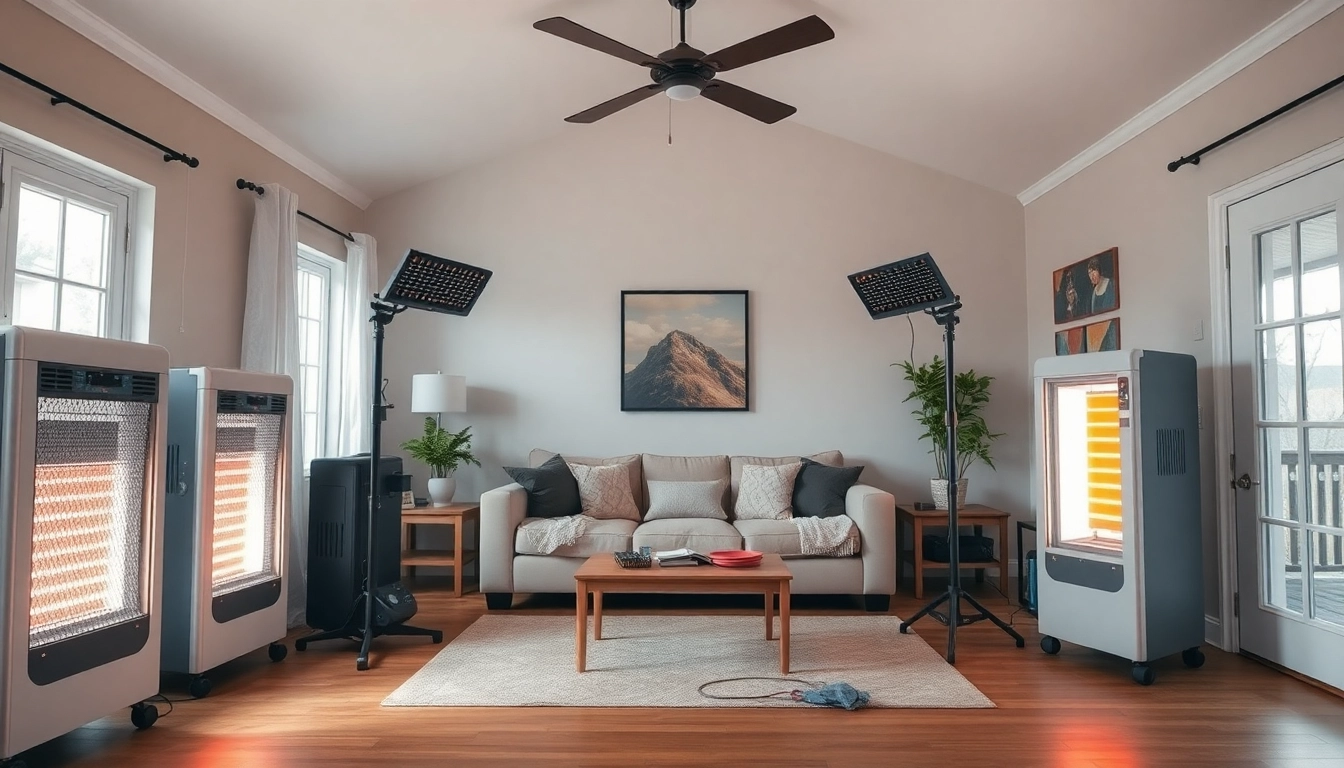
What is Bed Bug Heat Treatment?
Bed bug heat treatment is a widely recognized method for eradicating these resilient pests from residential and commercial spaces. This process utilizes high temperatures to effectively eliminate bed bugs at all life stages, including their eggs. By raising the ambient temperature of an infested area to between 120°F and 140°F, heat treatment ensures that bed bugs cannot survive. Unlike traditional chemical treatments, this method is non-toxic, making it a safer option for families, pets, and the environment. For those seeking relief from bed bugs, understanding the mechanics of bed bug heat treatment is essential.
The Science Behind Heat Treatment
The science behind bed bug heat treatment hinges on the physiological response of bed bugs to extreme temperatures. Bed bugs are ectothermic organisms, meaning their body temperature is regulated by their environment. When exposed to heat above 120°F for sustained periods, bed bugs experience protein denaturation, leading to cell death. Heat treatment must be carefully calibrated: if the temperature is too low or insufficient time is allotted, the treatment may not completely eradicate the infestation. Professional exterminators utilize specialized heaters and fans to evenly distribute heat, ensuring that every nook and cranny in the treated area reaches the necessary temperatures.
Advantages of Bed Bug Heat Treatment
There are numerous advantages to utilizing heat treatment for bed bug eradication:
- Non-toxic: Unlike chemical treatments, heat treatment does not introduce harmful substances into your home, making it a safe choice for sensitive individuals and pets.
- Effectiveness: Heat treatment can kill bed bugs in all life stages, including eggs, which are often resistant to chemical methods.
- Speed: Typically completed in a single day, heat treatment offers a quick solution to severe infestations.
- Minimal Disruption: The process creates less mess compared to traditional treatments that may involve spraying chemicals.
Limitations and Considerations
While heat treatment is effective, there are limitations and considerations to bear in mind:
- Cost: Heat treatment can be more expensive than conventional methods, potentially making it less accessible for some homeowners.
- Preparation: Extensive preparation is required to ensure the treatment's success, including removing items that could obstruct heat flow.
- Material Sensitivity: Some delicate materials may be damaged by high temperatures, necessitating careful assessment before treatment.
Preparation for Bed Bug Heat Treatment
Proper preparation is crucial for the success of the bed bug heat treatment process. Failure to prepare adequately can result in incomplete eradication, leading to a resurgence of the infestation.
Identifying Infestation Areas
The first step in preparation is to identify the areas most affected by the infestation. Bed bugs often hide in seams, crevices, and folds of mattresses, bed frames, upholstered furniture, and even in electronic devices. Homeowners should conduct a thorough inspection or enlist the help of a professional to pinpoint these hotspots, as the heat treatment process will need to be focused on these locations.
Clearing the Treatment Area
Once infestation areas are identified, the next step is to clear the treatment area. This involves:
- Removing furniture and items that may block heat circulation.
- Storing heat-sensitive items, such as candles, medication, and plants, in a safe location.
- Washing and bagging any clothes and linens that may have come into contact with bed bugs.
Safety Precautions to Take
Safety is paramount during the heat treatment process. Here are critical precautions to consider:
- Evacuate all residents and pets from the premises.
- Inform any neighbors about the treatment, particularly in multi-family dwellings like apartment buildings.
- Ensure that flammable materials are handled and disposed of correctly to prevent fire hazards.
The Process of Bed Bug Heat Treatment
The bed bug heat treatment process involves several key steps to ensure effective pest eradication.
How Heaters Work
Professional exterminators use specialized heaters that can maintain consistent high temperatures throughout the treatment area. These heaters can generate far more heat than standard space heaters, providing the power needed to effectively raise the ambient temperature. Fans are also crucial in this process, as they help circulate the heated air to reach all infested surfaces uniformly.
Room Temperature Requirements
To ensure bed bugs are effectively killed, the ambient temperature must be raised to between 120°F and 140°F. This temperature range will eliminate bed bugs at all life stages. Technicians will monitor the temperature throughout the process using infrared thermometers to verify that the target temperature is maintained in all areas.
Duration of the Treatment
The treatment duration can range from 6 to 8 hours, depending on the severity of the infestation and the size of the area being treated. After the temperature reaches the designated heat level, it must be maintained for several hours to ensure complete eradication. Technicians may also use thermal sensors to verify that the heat has penetrated all surfaces effectively.
Post-Treatment Care
Once the heat treatment is complete, it is essential to understand the necessary post-treatment care to prevent future infestations.
What to Expect After Treatment
Immediately after treatment, it is crucial to avoid reintroducing any items into the affected area until the exterminator has confirmed that the treatment was successful. You may notice some bed bug bodies and shells left over, as not all pests will be active at the time of the treatment.
Follow-Up Inspections
Follow-up inspections are critical to ensure the effectiveness of the treatment. Typically, exterminators will schedule a follow-up visit a few weeks after the initial treatment to assess the area. Regular inspections can help identify any signs of reinfestation early.
Preventing Future Infestations
To avoid future bed bug infestations, consider the following preventive measures:
- Regularly check luggage and bags when traveling, as bed bugs often hitchhike in baggage.
- Seal any cracks and crevices in walls and furniture to minimize hiding spots.
- Establish a monitoring system, such as interceptors under bed legs to catch bed bugs early.
FAQs About Bed Bug Heat Treatment
How long does bed bug heat treatment take?
Bed bug heat treatment typically lasts between 6 to 8 hours, depending on the severity of the infestation and the size of the treatment area.
Is bed bug heat treatment safe for kids and pets?
Yes, once the treatment is completed and the area has cooled down, it is safe for children and pets to return as long as all precautions were followed during the process.
Can I stay in my home during the treatment?
It is highly recommended to vacate the premises during treatment to avoid exposure to high temperatures and ensure effective results.
What temperature is required for effective bed bug treatment?
An effective temperature for bed bug heat treatment ranges from 120°F to 140°F to effectively kill bed bugs at all life stages.
Will heat treatment kill bed bug eggs?
Yes, bed bug heat treatment is effective at killing all life stages, including eggs, when conducted properly under the required temperatures.