Understanding the Role of a Real Estate Photographer
In the competitive world of real estate, first impressions are crucial. The visual presentation of properties can significantly influence potential buyers, making the role of a Real Estate Photographer indispensable. These professionals specialize in capturing the essence of a property, showcasing its unique features and creating an emotional connection with viewers. As we delve deeper into the intricacies of this profession, you’ll learn about the services they offer and the impact high-quality photography can have in real estate listings.
What Services Does a Real Estate Photographer Offer?
A real estate photographer provides a variety of services that go beyond simply taking pictures. These include:
- Photography: High-resolution images that highlight the property's best features.
- Aerial Photography: Stunning aerial shots using drones to capture properties from unique angles.
- Video Tours: Creating immersive video walkthroughs that allow potential buyers to experience homes virtually.
- 3D Tours: Interactive virtual tours using innovative technology like Matterport that lets buyers navigate spaces online.
- Floor Plans: Detailed layout plans that provide a clear understanding of the property’s dimensions.
- Photo Editing: Post-production work to enhance images for a polished and professional final product.
The Importance of Quality Photography in Real Estate
Quality photographs are more than just an aesthetic choice; they play a pivotal role in how buyers perceive a property. Properties with high-quality images are more likely to attract interest and can sell faster than those with mediocre visuals. Statistics indicate that listings with professional photos receive 61% more views and sell 32% faster than their non-professional counterparts.
Real Estate Photographer vs. Amateur Photography
The difference between hiring a professional real estate photographer and using amateur photography is stark. Professionals understand lighting, composition, and editing techniques that can profoundly affect the presentation of a property. While amateur photos might suffice for personal use, they often fail to capture the essence of a home, missing details and resulting in unflattering angles that can deter potential buyers.
The Best Techniques for Capturing Properties
Success in real estate photography relies heavily on utilizing effective techniques that enhance the appeal of properties. Below are some best practices that can elevate the quality of real estate images.
Utilizing Natural Light Effectively
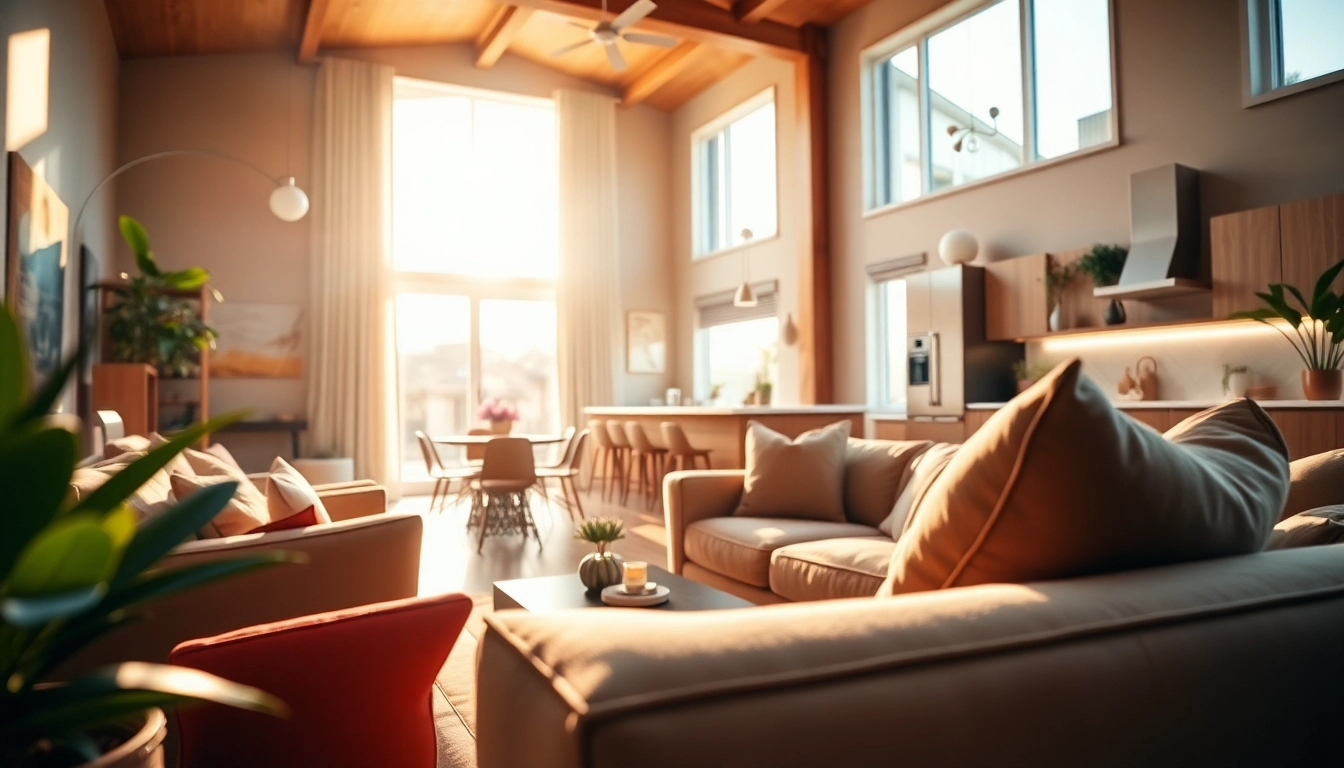
Natural light is a vital element in photography. Time your shoots for when light is optimal, typically during the golden hour—shortly after sunrise or before sunset. Utilizing natural light not only makes spaces appear larger and more inviting but helps maintain a realistic representation of colors and textures within the home.
Composition: Finding the Perfect Angles
The composition of your photo can significantly impact its visual appeal. Use techniques such as the rule of thirds to create balanced images. Additionally, capturing wide-angle shots helps in showcasing the breadth of rooms. Remember to keep lines straight to avoid distortions that can occur with wider lenses.
Editing Tips for Real Estate Photographers
Post-production editing is an essential stage of the photography process. Here are several tips:
- Adjust brightness and contrast to enhance visual clarity.
- Correct lens distortions that can happen with wide-angle lenses.
- White balance adjustments ensure that colors appear natural.
- Consider virtual staging techniques for empty properties to help buyers visualize the space.
Marketing Your Property with Photography
Beyond mere aesthetics, effective marketing strategies leverage quality photography to attract potential buyers and drive sales. Here’s how to do it optimally.
Creating Compelling Listings
Property listings should do more than merely describe features. Incorporate stunning images that tell a story and entice potential buyers. Pair photographs with engaging descriptions and clear details, concentrating on unique selling points to create a comprehensive view of the property.
How Images Influence Buyer Perceptions
Research indicates that buyers form opinions based on the visual content they see. High-quality images can evoke emotions that are conducive to making a purchase decision. Images should be presented in a manner that fosters a sense of aspiration, making potential buyers envision themselves in the space.
Leveraging Social Media for Exposure
Social media platforms are indispensable in marketing real estate. Utilize visually appealing photographs on platforms such as Instagram, Facebook, and Pinterest to expand your reach. Engaging posts featuring compelling visuals can drive traffic to your listings and generate interest among prospective buyers.
Selecting the Right Real Estate Photographer
Choosing the right Real Estate Photographer can be daunting, yet it is crucial for property marketing success. A few key factors to consider include the photographer's portfolio, experience, and cost structure.
Key Qualities to Look For
When selecting a real estate photographer, consider the following qualities:
- Professionalism: Look for a photographer who demonstrates reliability and integrity.
- Experience: A well-experienced photographer will understand how to highlight a property's features.
- Strong Portfolio: Review past work to gauge their style and capability.
Questions to Ask Potential Photographers
Before hiring, ask potential photographers these questions:
- What experience do you have with real estate photography?
- What is your usual turnaround time for delivering photographs?
- Do you offer post-production services?
- How do you handle cancellations or bad weather?
Budget Considerations: What to Expect
Costs for real estate photography can vary widely, typically ranging from $150 to $500 per shoot, depending on services offered, location, and the photographer’s experience. Understand what is included in the package, such as photo editing and whether other services like drone photography are offered at an additional cost.
FAQs about Real Estate Photography
What Should I Expect from a Real Estate Photographer?
You should expect high-quality, professional images that showcase your property in the best light. They will also provide editing services to enhance the visuals.
How Much Does a Real Estate Photographer Typically Charge?
Pricing typically ranges from $150 to $500, depending on the services included, the region, and the photographer’s experience level.
When is the Best Time to Take Real Estate Photos?
The best time to schedule a photoshoot is during the golden hour, shortly after sunrise or before sunset when natural light is optimal.
Do I Need to Stage My Home Before the Photo Shoot?
Staging your home can significantly enhance its appeal by creating a welcoming atmosphere and allowing buyers to envision themselves in the space.
What Makes a Good Real Estate Photograph?
A good real estate photograph is well-lit, properly composed, and provides a true representation of the space, with the ability to evoke emotions and interest in potential buyers.