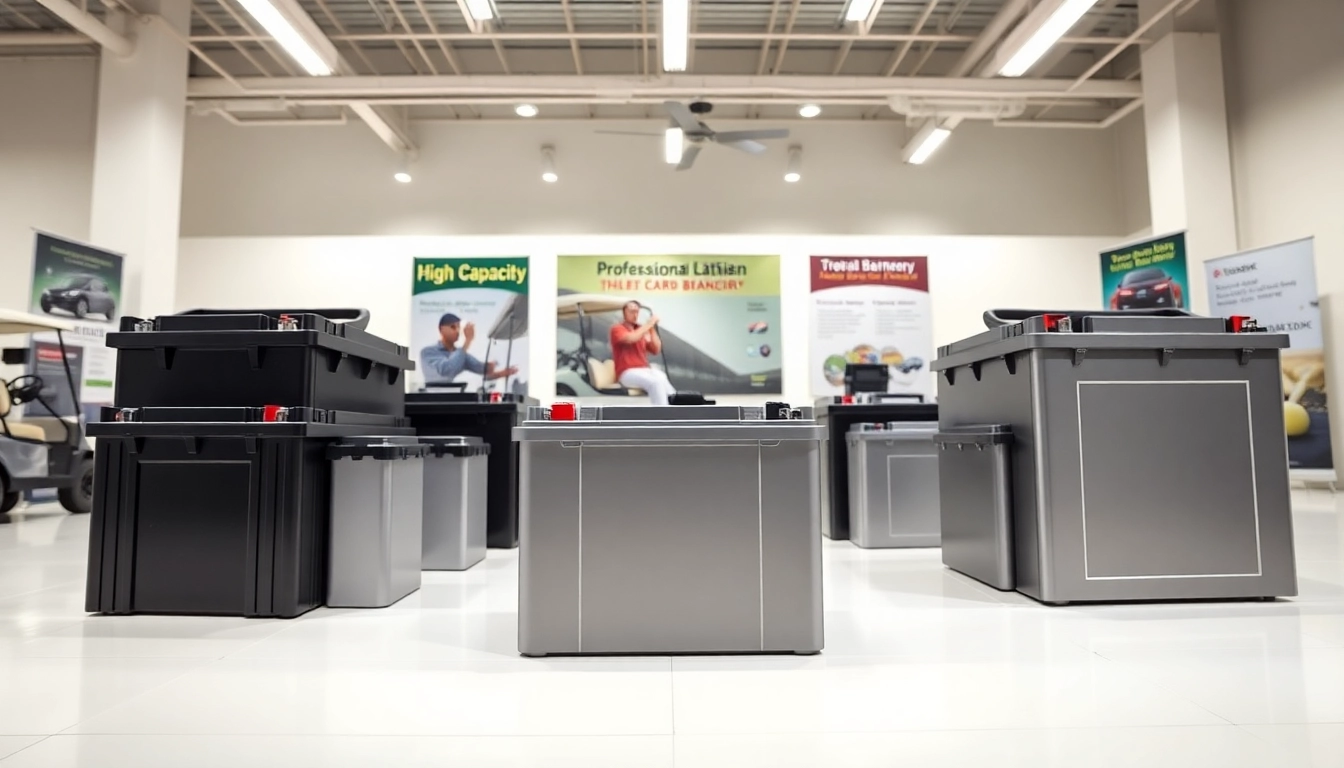
The Advantages of Lithium Golf Cart Batteries
In the pursuit of optimal performance and reliability for golf carts, lithium golf cart batteries have emerged as a popular choice among enthusiasts and operators. This advancement in battery technology offers several benefits that surpass traditional lead-acid batteries, making it an appealing option for golf cart users. Here, we delve into the distinctive advantages that lithium batteries present over older technologies.
1. Lightweight and Compact Design
One of the most significant advantages of lithium golf cart batteries is their lightweight and compact design. Weighing considerably less than lead-acid batteries, lithium options allow for better speed and performance. A typical lithium battery weighs up to 60% less than its lead-acid counterpart. This weight reduction leads to improved handling and efficiency of the golf cart, resulting in longer driving distances on a single charge.
2. Longer Lifespan Compared to Traditional Batteries
Lithium batteries significantly outlast traditional lead-acid versions, boasting a lifespan of up to 10 years or more with minimal capacity degradation over time. In practical terms, this translates to approximately 5,000 charging cycles, which is nearly double that of lead-acid batteries. This longevity lessens the frequency and costs associated with replacement, and importantly, enhances sustainability—reducing the number of batteries that end up in landfills.
3. Fast Charging Capabilities
Another key advantage is charging time. Lithium golf cart batteries can recharge in as little as two to four hours, drastically reducing downtime compared to lead-acid batteries that may take up to eight hours or more for a full charge. More efficient charging means that users can quickly power up and get back to enjoying their time on the course, making it particularly valuable for commercial operations.
Understanding the Technology Behind Lithium Golf Cart Batteries
A deeper understanding of the technology within Vatrer Power golf cart batteries reveals why they are considered superior to traditional batteries. It’s essential to look at the differences between lithium-ion and lead-acid batteries, the unique LiFePO4 chemistry, and the safety features that accompany modern lithium batteries.
1. Differences Between Lithium-Ion and Lead-Acid Batteries
Lithium-ion batteries utilize lithium compounds for energy efficiency, while lead-acid batteries rely on lead plates and sulfuric acid. This fundamental difference in construction results in lithium batteries being lighter, requiring less maintenance, and offering superior energy density. Unlike lead-acid batteries, lithium options do not suffer from memory effect, which occurs when batteries are not fully discharged before charging. This flexibility in usage makes lithium batteries more reliable and user-friendly.
2. LiFePO4 Chemistry Explained
The lithium iron phosphate (LiFePO4) chemistry used in many lithium golf cart batteries is particularly noteworthy for its thermal stability, safety, and environmental friendliness. This chemistry reduces the risk of thermal runaway—a critical advantage in battery safety. It also means lithium batteries can perform efficiently across a wide range of temperatures, which is beneficial for golfers in different climates.
3. Safety Features in Lithium Golf Cart Batteries
Today's lithium batteries incorporate several advanced safety features, including built-in battery management systems (BMS). These systems monitor voltage, current, and temperature, ensuring overcharging and overheating do not occur. Many lithium golf cart batteries are also designed with fuse protection to prevent short circuits, providing peace of mind for users concerned about safety.
Choosing the Right Lithium Golf Cart Battery
With numerous options available in the market, selecting the correct lithium golf cart battery for your needs involves careful consideration of several factors, including voltage options, power requirements, and budgetary constraints.
1. Voltage Options and Compatibility
Most 48V 105Ah Lithium Battery come in different voltage options, typically 36V and 48V. The choice of voltage is largely dependent on the type of golf cart and its specifications. It is crucial to ensure compatibility with the cart's electrical system to avoid performance issues or potential damage. Before purchasing, review the manufacturer's guidelines to determine the correct voltage for optimal performance.
2. Considerations for Power Requirements
Understanding power requirements is essential when selecting a battery. Consider factors such as the daily usage, the typical distance traveled, and the load on the battery. If your golf cart is often used for extended periods or is equipped with additional accessories such as lights and GPS, opting for a higher capacity battery may be necessary to ensure a satisfactory performance throughout the day.
3. Budgeting for Your Investment
The initial investment in lithium batteries can be higher than their lead-acid counterparts. However, considering the longevity and reduced maintenance costs, lithium batteries often present a better long-term financial decision. When budgeting, evaluate the total cost of ownership, which includes replacement frequency, charging costs, and maintenance needs. This holistic view will help in making a smart investment decision.
Installation and Maintenance Tips for Lithium Golf Cart Batteries
Proper installation and maintenance are crucial to maximizing the performance and lifespan of lithium golf cart batteries. Follow these tips to ensure optimal performance and reliability.
1. Proper Installation Procedures
When installing a lithium battery in your golf cart, follow the manufacturer's installation instructions meticulously. Ensure that the battery is securely mounted and that all connections are tight to prevent any short circuits. It's important to avoid mixing battery types, as different chemistries can result in unpredictable performance. Additionally, ensure that the battery is installed in a well-ventilated area to prevent overheating.
2. Regular Maintenance Guidelines
Although lithium batteries require less maintenance than traditional batteries, periodic checks can still be beneficial. Regularly inspect for any signs of damage, corrosion, or loose connections. Also, ensure your battery management system is functioning effectively, as it plays a crucial role in maintaining optimum operating conditions.
3. Troubleshooting Common Issues
Common issues with lithium golf cart batteries may include performance slowdowns or failure to charge. If your battery shows significant signs of degradation or reduced power output, it may be necessary to consult with a technician. Utilize any diagnostic tools included with your battery management system to troubleshoot potential problems and ensure the battery operates efficiently.
Frequently Asked Questions About Lithium Golf Cart Batteries
1. How long do lithium golf cart batteries last?
Lithium golf cart batteries generally last between 7 to 10 years, depending on usage and maintenance routines, significantly longer than traditional lead-acid batteries.
2. Can lithium batteries be charged in cold weather?
Charging lithium batteries in extremely cold temperatures is not recommended. It’s best to bring the battery indoors or to a controlled environment for charging.
3. Do lithium golf cart batteries need special chargers?
Yes, using a charger designed specifically for lithium golf cart batteries is important to avoid overcharging and potential damage to the battery.
4. Are lithium golf cart batteries safe?
When properly used and maintained, lithium golf cart batteries are safe. They contain built-in safety features that help prevent overheating and short-circuiting.
5. How do I choose the right capacity for my golf cart?
Consider your golf cart’s voltage requirements, total energy consumption, and daily usage to choose the appropriate battery capacity for optimal performance.