
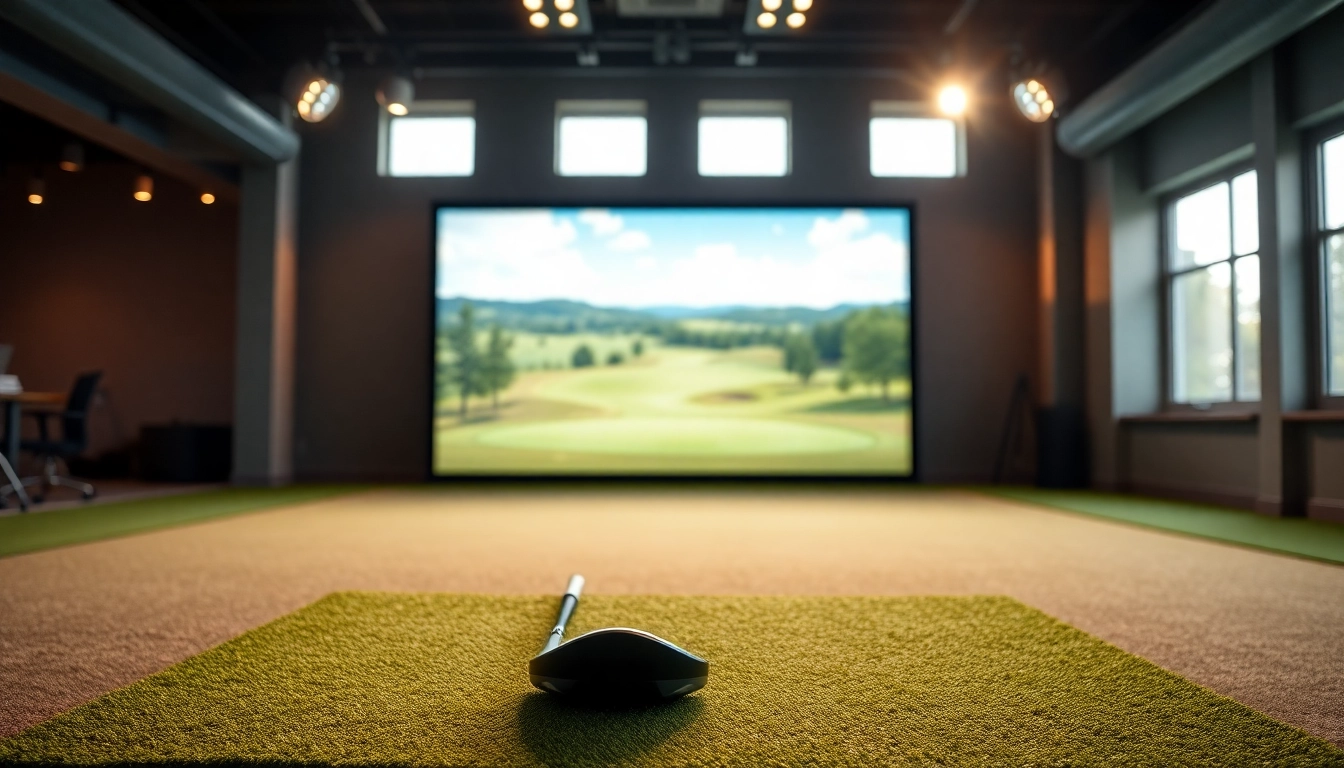
Understanding the Basics of a Simulator
What is a Simulator?
A simulator is a sophisticated tool designed to replicate real-world experiences, enabling users to engage in activities that may not be easily accessible or practical in reality. In the context of sports like golf, a simulator offers an immersive environment where players can practice and enhance their skills without being hindered by weather conditions or time constraints. It combines advanced technology with realistic graphics, sound, and physics to provide a credible facsimile of actual gameplay. In essence, simulators serve as an excellent training ground for beginners and a valuable resource for seasoned players to refine their techniques without leaving their homes. Utilizing a simulator can drastically improve your understanding of the game.
Key Features of Modern Simulators
Modern simulators have evolved significantly from their earlier counterparts, incorporating a wealth of features that enrich the user experience. These include:
- High-Definition Graphics: Many simulators offer 4K resolution and realistic rendering of golf courses, which creates a visually appealing environment.
- Data Analysis Tools: Advanced technologies track swing speed, angle, ball speed, and more, providing players with detailed feedback on every shot.
- Multiple Course Options: Users can play on famous international courses, allowing for variety and engagement.
- Virtual Reality Integration: Some simulators offer an immersive VR experience, enhancing realism through 360-degree visuals and interactive play.
- Social Gameplay: Many simulators allow for multiplayer options, creating opportunities for competitive play among friends and fellow enthusiasts.
Importance of Calibration and Setup
Proper calibration and setup of the simulator are crucial to ensure accurate readings and a realistic experience. Each simulator model may come with specific requirements for installation and calibration, which must be followed meticulously. Regular calibration ensures that the simulator accurately reflects performance and simulates the environment as closely as possible. Key setup considerations include proper positioning of the sensors, ensuring enough space for swings, and setting the simulator software to reflect individual needs.
Choosing the Right Simulator for Your Needs
Consider Your Skill Level
When selecting a simulator, it's vital to consider your skill level. Beginners may favor simulators that offer comprehensive tutorials, interactive lessons, and automatic adjustments to facilitate learning. Conversely, advanced players often benefit from highly customizable settings that allow for in-depth data analysis and feedback tools to fine-tune their techniques. A simulator that grows with your skills can enhance your practice sessions and make them more enjoyable.
Evaluating Space Requirements
Space is a significant factor when choosing a simulator. Most high-quality simulators require a dedicated area where users can swing freely without obstructions. You should determine the space available in your home or facility before making a purchase. Factors such as ceiling height, distance from walls, and flooring type are all essential considerations to ensure safety and accuracy in measurements.
Budget Considerations for Simulators
The cost of simulators can vary widely, influenced by features, brand reputation, and technology used. Establishing a budget is crucial, as it will help filter options based on desired functionalities. Affordable simulators might compromise on data accuracy or variety of courses, while high-end models can offer a professional level of detail and analysis. Assessing your goals and usage frequency will guide you toward the best investment.
Setting Up Your Simulator for Optimal Performance
Positioning Your Simulator Correctly
Correct positioning is vital for the simulator to function optimally. Ensure that the unit is placed in a location devoid of distractions and obstacles. The setup should allow the user to play comfortably and safely, with enough space to swing freely. Proper alignment with screen/projector systems further enhances the experience and provides accurate readings.
Best Practices for Equipment Setup
The efficiency of your simulator largely depends on how well the equipment is set up. To achieve the best results, follow these best practices:
- Ensure optimal height and distance settings for sensors to capture accurate data.
- Use appropriate flooring that will provide stability and reduce ball bounce discrepancies.
- Regularly check and clean sensors and optical components for optimal functioning.
- Utilize the manufacturer’s guidelines for installing software and necessary updates.
Adjusting Settings for Different Golf Courses
Many simulators provide options to simulate various golf courses. Understanding how to adjust settings for each course can significantly affect performance. Customize parameters like weather conditions, playing surfaces, and course difficulty. This flexibility allows users to prepare for different environments and scenarios they might face in actual gameplay, thereby improving adaptability and skill level.
Enhancing Your Skills and Gameplay with a Simulator
Tracking Your Progress and Statistics
One of the key advantages of using a simulator is the ability to track performance metrics over time. These statistics can reveal patterns in play, reveal weaknesses, and highlight areas needing improvement. Make it a habit to review these metrics after each session to devise better training strategies, ensuring you focus on specific skills and techniques that require attention.
Using Simulator Feedback for Improvement
Leveraging the feedback from a simulator is essential for growth. Many systems provide real-time data that can indicate incorrect swing angles, speed issues, or shot accuracy. By interpreting these signals and making adjustments during practice, players can gradually refine their swings and elevate their game significantly.
Incorporating Practice Drills
In addition to regular gameplay, incorporating specific practice drills into your simulator sessions can enhance various aspects of your game. Focused drills aimed at improving driving, putting, or chip shots can provide targeted practice opportunities that can lead to marked improvement in overall performance. Many simulators also include pre-set drills that can help both novice and experienced players alike.
Common Challenges and Solutions in Simulator Use
Dealing with Technical Issues
Technical problems can be one of the most frustrating aspects of using a simulator. Connectivity problems, software glitches, or calibration errors can disrupt practice sessions. Ensure you familiarize yourself with troubleshooting steps provided by the manufacturer to resolve issues quickly. Keeping firmware up to date can also prevent many common technical difficulties.
Understanding Simulator Limitations
While simulators offer incredible benefits, they have limitations in replicating the feel of playing on a real course. For instance, nuances like wind direction and the impact of varied grass types are often simplified in simulators. A well-rounded golfer should balance simulator practice with time on the course to benefit from the unique challenges and experiences of real-life play.
Staying Motivated While Practicing
Motivation can wane in repetitive training environments. To combat this, set specific, measurable goals within your simulator sessions. Engaging in friendly competitions with friends or utilizing apps that display leaderboards can also encourage consistent practice. Consider varying your routines by playing different courses or conditions, which can keep the experience fresh and exciting.
Frequently Asked Questions
1. Can I use my simulator for other sports?
Some simulators are versatile enough to support various sports, including soccer and baseball. Check the specifications of your simulator for compatibility.
2. Do I need a large space for my simulator?
A decent amount of space is generally required to accommodate the simulator and allow freedom of movement for swings. Measure your area before purchasing.
3. How often should I calibrate my simulator?
Calibration depends on usage; regular users should calibrate at least every few weeks, while infrequent users can calibrate before sessions for accuracy.
4. Can I play with friends on my simulator?
Many modern simulators support multiplayer features, allowing friends to compete or practice together remotely or in the same space.
5. What factors should I consider when purchasing a simulator?
Consider your skill level, space availability, budget, and desired features like graphics quality and data analysis tools when purchasing.
Contact Information
Call Us: +1 615-624-7821Email: [email protected]Address: 1276 Northwest Broad Street, Murfreesboro, TN, USA