The Truth About Miller Sheetmetal Inc Services
Miller Sheetmetal Inc. is not just another name in the construction industry; it's a family-owned business that has proudly served Western Washington since 1981. With a strong focus on sheet metal fabrication, HVAC systems, and architectural metal projects, they represent a wealth of expertise and dedication that is hard to match. When exploring options, https://www.millersheetmetalinc.com/ provides comprehensive insights into their diverse offerings and commitment to quality.
Overview of Sheet Metal Fabrication
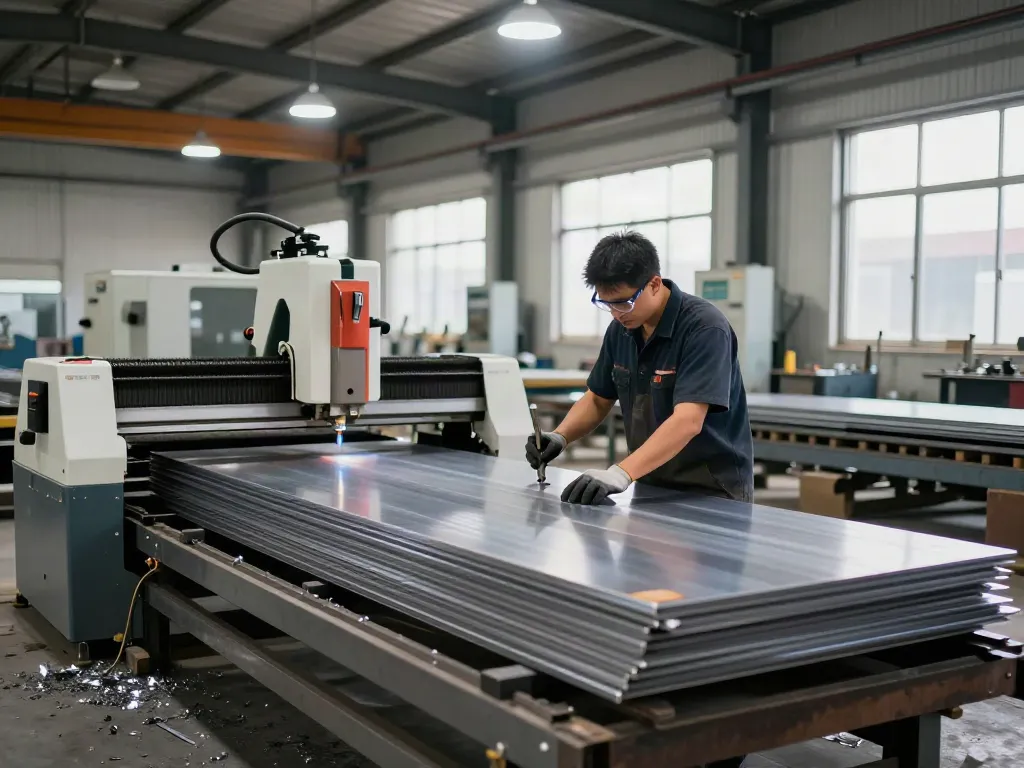
Sheet metal fabrication is a critical component of numerous construction projects, playing a vital role in both industrial and commercial settings. This process involves the manipulation of metal sheets to create various components, including ducts, panels, and custom structural items. The fabrication process typically begins with the selection of materials, often aluminum or stainless steel, known for their strength and durability.
This stage is followed by cutting, bending, and assembling the metal to meet specific design requirements. Advanced machinery, such as CNC (computer numerical control) machines, ensures precision and efficiency, reducing lead times and minimizing waste. Understanding these details is crucial when selecting a contractor, as the quality of the fabrication directly impacts the longevity and performance of the final product.
Common Misconceptions in the Industry
Despite the advancements in sheet metal technology, misconceptions abound in the industry. One prevalent myth is that all sheet metal contractors are alike. In reality, the expertise, technology, and customer service offered by different companies can vary significantly. For instance, some contractors may focus primarily on cost-cutting, potentially sacrificing quality. It’s essential to research and choose a provider that emphasizes quality and reliability.
Another common misunderstanding is that sheet metal work is solely for large-scale industrial projects. However, custom sheet metal fabrication is highly beneficial for small businesses and residential properties as well. Contractors who can adapt their services to various project sizes and specifications are highly valuable.
Expert Insights on Quality Standards
Quality standards in sheet metal fabrication are paramount. The American Welding Society (AWS) and other industry organizations establish guidelines to ensure safety and quality. Skilled contractors adhere to these standards, which cover everything from material selection to welding techniques and safety protocols. Regular training and certification updates enable contractors to remain compliant with current practices and technologies, ensuring that clients receive the best service possible.
Moreover, well-established firms often have robust quality control measures, evaluating every step of the fabrication process. This commitment to quality not only satisfies regulatory requirements but also builds trust between the contractor and the client, making it a wise investment in any project.
Understanding the Sheet Metal Market in 2026
Looking ahead to 2026, the sheet metal market is poised to undergo significant transformations driven by advancements in technology and changing client needs. Understanding these trends is crucial for anyone involved in construction, especially in HVAC systems and structural applications.
Current Trends in Industrial HVAC Systems
Industrial HVAC systems have seen a considerable evolution towards improved energy efficiency and sustainability. With environmental regulations tightening, industries are seeking solutions that minimize energy consumption and reduce greenhouse gas emissions. This shift is driving demand for high-quality, well-designed sheet metal components that contribute to overall system efficiency.
Moreover, the integration of smart technology in HVAC systems is becoming the norm. Sensors and IoT (Internet of Things) connectivity enable real-time monitoring and control, leading to optimized performance and cost savings.
Technological Innovations Driving Efficiency
Technological innovations are a crucial driver in the sheet metal industry. The adoption of advanced software for design and modeling, such as BIM (Building Information Modeling), simplifies project management and enhances collaboration among stakeholders. This technology allows contractors to visualize and simulate designs before fabrication, reducing errors and streamlining workflows.
Furthermore, robotics and automation in the fabrication process increase precision while reducing labor costs and production times. As these technologies become more accessible, they will shape the competitive landscape of the industry.
Future Market Projections and Opportunities
Projections suggest that the sheet metal market will continue to grow, with increasing demand for sustainable construction practices. Opportunities abound for contractors who can adapt to these trends, offering innovative solutions that meet environmental standards while delivering quality results.
The ongoing expansion of renewable energy projects, particularly in solar and wind sectors, also presents a significant opportunity for sheet metal contractors. These projects often require custom metal components that must meet strict durability and performance metrics, reinforcing the need for skilled craftsmanship and quality materials.
Best Practices for Choosing a Sheet Metal Contractor
Choosing the right sheet metal contractor can significantly impact the success of your project. There are several best practices you should follow to ensure you make an informed decision.
Essential Questions to Ask Before Hiring
Before hiring a contractor, it's crucial to ask specific questions to gauge their capabilities and fit for your project. Here are some essential inquiries:
- What is your experience in projects similar to mine?
- Can you provide references or case studies from previous clients?
- What materials do you typically work with, and why?
- What are your safety protocols and compliance measures?
- How do you handle project timelines and potential delays?
Asking these questions can provide clarity on the contractor's expertise and help you assess their reliability.
Evaluating Certifications and Experience
Certifications from recognized industry organizations can be an indicator of a contractor's commitment to quality and ongoing education. Look for certifications from the American Society of Mechanical Engineers (ASME) or other relevant bodies. Additionally, assessing the contractor's experience level, particularly in projects similar to yours, is vital. Experienced contractors are more likely to navigate challenges effectively and deliver high-quality results.
Importance of Client Reviews and Testimonials
Client reviews and testimonials offer valuable insights into a contractor's reputation and service quality. Make sure to check platforms like Google, Yelp, and even social media for feedback from previous clients. Positive testimonials can indicate a contractor's reliability and craftsmanship, while negative reviews may serve as red flags.
Case Studies: Successful Projects by Miller Sheetmetal
Miller Sheetmetal Inc. has a rich portfolio of completed projects that highlight their expertise and commitment to quality in sheet metal fabrication.
Industrial Projects: Challenges and Solutions
In one notable industrial project, Miller Sheetmetal faced challenges related to an outdated HVAC system in a large manufacturing facility. The solution involved a comprehensive overhaul of the ductwork, which required precise fabrication to integrate seamlessly with existing infrastructure. Through careful planning and execution, the team minimized downtime and achieved significant energy savings for the client.
Commercial HVAC Installations: A Closer Look
The company has also excelled in commercial HVAC installations. A recent project involved customizing ductwork for a newly constructed office building, which required collaboration with architects and engineers. Miller's ability to adapt designs and provide timely solutions ensured the project met its tight deadlines without compromising on quality or safety.
Architectural Metal Works: Design Inspirations
Beyond functional applications, Miller Sheetmetal showcases creativity through architectural metal works. One impressive project involved creating custom metal facades for a landmark structure, blending aesthetic appeal with performance. The result was a striking design that enhanced the building's visual impact while improving energy efficiency.
Keys to Sustainable Practices in Sheet Metal Work
The construction industry is increasingly focusing on sustainability, and sheet metal work is no exception. Implementing eco-friendly practices can lead to significant benefits for both the environment and your project.
Eco-friendly Materials and Techniques
Utilizing sustainable materials, such as recycled metals, can greatly reduce the carbon footprint of your project. Additionally, employing techniques that minimize waste during the fabrication process contributes to a more sustainable operation. Contractors should prioritize sourcing materials from suppliers who adhere to environmentally responsible practices.
Reducing Waste in Manufacturing Processes
Waste reduction can be achieved through effective planning and utilizing technology to optimize production processes. Techniques such as precision cutting and the use of software for material efficiency can minimize scrap and impact the overall cost-effectiveness of projects.
Future of Sustainability in Construction
Looking forward, sustainability in construction will likely become a central focus. Incorporating renewable energy solutions, such as solar panels and efficient HVAC systems, will be essential in new projects. As regulations become stricter, embracing sustainable practices will not only align with legal requirements but also resonate with environmentally conscious clients.
What Are the Benefits of Working with Professionals?
Working with professional sheet metal contractors ensures that you benefit from their expertise, access to advanced technology, and commitment to quality. Professionals are more adept at navigating complexities, which can save time and money while achieving superior results.
How to Ensure Safety and Compliance in Projects?
To ensure safety and compliance, choose contractors who strictly adhere to safety standards and regulations. Inquire about their safety practices, training programs, and certifications. Regular safety audits and adherence to OSHA (Occupational Safety and Health Administration) guidelines will contribute to a safer work environment.
What to Expect from a Service Quote?
A comprehensive service quote should outline all aspects of the project, including material costs, labor, timelines, and any potential additional expenses. It's essential to review these details closely to avoid unexpected charges and ensure that your project stays within budget.