
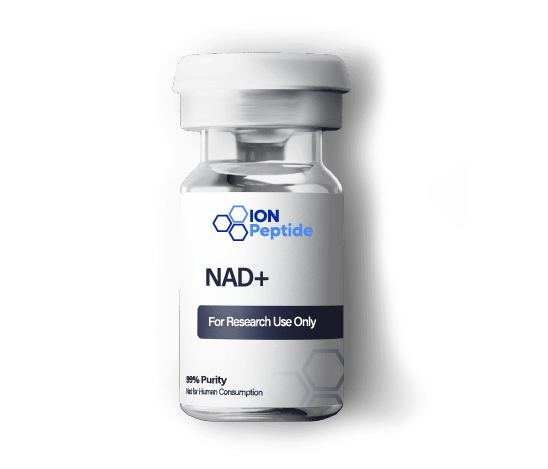
Introduction to NAD+ and Its Scientific Importance
NAD+ is a fundamental coenzyme that plays a critical role in cellular metabolism and energy production. In modern laboratory science, NAD+ is widely used in research applications that require high precision and dependable outcomes. As scientific investigations become more complex, the need for compounds that meet verified testing standards has increased significantly. NAD+ is at the center of this demand, serving as a reliable component in biochemical and molecular experiments.
The growing interest in NAD+ is driven by its involvement in essential biological processes such as redox reactions and cellular signaling. Laboratories depend on NAD+ materials that are rigorously tested to ensure accuracy in experimental results. Verified testing standards help confirm that NAD+ compounds meet the strict requirements necessary for advanced scientific work, making them indispensable in research environments.
Understanding Verified Testing Standards for NAD+ Compounds
The Meaning of Verified Testing
Verified testing refers to the systematic evaluation of compounds to confirm their identity, purity, and performance. For NAD+, this process involves multiple analytical techniques designed to ensure that the compound behaves as expected in laboratory conditions. Researchers rely on verified NAD+ materials to minimize variability and enhance the reliability of their experiments.
Testing standards are established to maintain consistency across batches of NAD+. These standards ensure that every sample meets predefined criteria, allowing scientists to trust the materials they use. Without verified testing, the integrity of research involving NAD+ could be compromised, leading to inaccurate conclusions.
Importance of Consistency and Reliability
Consistency is essential when working with NAD+ in laboratory settings. Even slight variations in composition can affect experimental outcomes. Verified testing standards help eliminate these inconsistencies by ensuring that NAD+ compounds are produced and evaluated under controlled conditions.
Reliability is another key factor. Researchers must be confident that their NAD+ materials will perform consistently across different experiments. Verified testing provides this assurance, enabling scientists to focus on their research objectives without concerns about material quality.
Production Processes Supporting NAD+ Quality
Controlled Manufacturing Environments
The production of NAD+ compounds requires strict control over environmental conditions. Manufacturers use advanced techniques to synthesize and purify NAD+, ensuring that the final product meets high-quality standards. These processes are carefully monitored to prevent contamination and maintain the integrity of NAD+.
Controlled environments play a crucial role in preserving the stability of NAD+ during production. Factors such as temperature, humidity, and exposure to light are managed to prevent degradation. This level of control is necessary to produce NAD+ that meets verified testing standards.
Advanced Purification Techniques
Purification is a critical step in the production of NAD+. Techniques such as chromatography and filtration are used to remove impurities and achieve high levels of purity. These methods ensure that NAD+ compounds are suitable for precision laboratory applications.
High-purity NAD+ is essential for experiments that require accurate measurements and reproducible results. By using advanced purification techniques, manufacturers can provide NAD+ materials that meet the stringent demands of scientific research.
Analytical Methods for Verifying NAD+ Compounds
Chromatographic Analysis
Chromatographic techniques are widely used to analyze NAD+ compounds. These methods separate components within a sample, allowing researchers to identify and quantify NAD+ with high accuracy. Verified testing standards often include chromatographic analysis as a key component of quality assurance.
The use of chromatography ensures that NAD+ materials are free from contaminants that could interfere with experimental results. This level of precision is essential for maintaining the reliability of laboratory work.
Spectroscopic and Mass Analysis
Spectroscopic methods, including ultraviolet and visible light analysis, are used to study the properties of NAD+. These techniques provide valuable information about the concentration and behavior of NAD+ in different conditions. Mass spectrometry is also employed to confirm the molecular structure of NAD+.
Together, these analytical methods form a comprehensive approach to verifying NAD+ compounds. They ensure that the materials meet the required standards for scientific use and provide researchers with confidence in their experiments.
Stability and Storage of NAD+ Materials
Preserving Chemical Integrity
NAD+ is sensitive to environmental factors, making proper storage essential for maintaining its effectiveness. Laboratories must store NAD+ under conditions that prevent degradation, such as low temperatures and limited exposure to light. These precautions help preserve the chemical integrity of NAD+ over time.
Verified testing standards often include guidelines for storage and handling. By following these guidelines, researchers can ensure that their NAD+ materials remain stable and reliable throughout their use.
Handling Practices in Laboratories
Proper handling of NAD+ is critical to maintaining its quality. Laboratories implement strict protocols to minimize contamination and degradation during experiments. These practices include using clean equipment, maintaining controlled environments, and following standardized procedures.
Adhering to these protocols ensures that NAD+ performs consistently in laboratory applications. This consistency is essential for achieving accurate and reproducible results.
Applications of NAD+ in Research and Development
Role in Biochemical Studies
NAD+ is widely used in biochemical research to study metabolic pathways and enzyme activity. Its role as a coenzyme makes it an essential component in experiments that explore cellular processes. Verified NAD+ compounds enable researchers to conduct these studies with confidence in their results.
The use of NAD+ in biochemical studies highlights its importance in understanding complex biological systems. High-quality materials are necessary to ensure that these investigations produce meaningful insights.
Use in Pharmaceutical Research
In pharmaceutical research, NAD+ is used to investigate drug interactions and cellular responses. Researchers rely on verified NAD+ compounds to ensure that their experiments are accurate and reproducible. This reliability is crucial for the development of new therapies and treatments.
NAD+ also plays a role in studying disease mechanisms, making it a valuable tool in medical research. Verified testing standards help ensure that NAD+ materials meet the requirements of this demanding field.
Importance of Verified Standards in Scientific Accuracy
Reducing Experimental Errors
Verified testing standards help reduce the risk of errors in laboratory experiments. By ensuring that NAD+ compounds meet strict quality criteria, these standards minimize the likelihood of inaccurate results. This is particularly important in research that requires high levels of precision.
Accurate NAD+ materials contribute to the overall reliability of scientific findings. Researchers can trust their data and draw meaningful conclusions from their experiments.
Supporting Reproducibility
Reproducibility is a cornerstone of scientific research. Verified NAD+ compounds allow researchers to replicate experiments and confirm their findings. This consistency is essential for validating scientific discoveries and advancing knowledge.
By adhering to verified testing standards, laboratories can ensure that their work meets the highest levels of scientific rigor.
Future Developments in NAD+ Testing and Quality Assurance
Innovations in Analytical Technology
Advancements in analytical technology are expected to enhance the testing and verification of NAD+ compounds. New methods will provide even greater accuracy and efficiency, allowing researchers to assess the quality of NAD+ with increased precision.
These innovations will contribute to the continued improvement of NAD+ materials, ensuring that they meet the evolving needs of scientific research.
Expanding Applications and Standards
As the use of NAD+ continues to grow, new applications and testing standards are likely to emerge. Researchers are exploring innovative ways to utilize NAD+ in fields such as biotechnology and regenerative medicine. These developments will require ongoing refinement of testing protocols to ensure quality and reliability.
The expansion of NAD+ applications highlights the importance of maintaining rigorous testing standards. By doing so, the scientific community can continue to rely on NAD+ as a trusted research material.
Conclusion
NAD+ compounds with verified testing standards are essential for modern laboratory research. Their role in biochemical, pharmaceutical, and analytical applications underscores the need for high-quality materials that meet strict criteria. Through advanced production methods, rigorous testing, and proper handling, NAD+ continues to support scientific innovation and discovery.
As research demands increase, the importance of verified NAD+ compounds will only grow. By maintaining high standards and embracing new technologies, laboratories can ensure that NAD+ remains a reliable and effective tool in precision scientific work.