Understanding Australia’s Geography
Australia, the only country that occupies an entire continent, is renowned for its diverse geography ranging from stunning shorelines to vast deserts. This island continent offers a unique blend of landscapes, climates, and ecosystems, making Australia a fascinating subject of exploration. Whether you’re captivated by golden beaches, lush forests, or arid outbacks, the geographical variety is astonishing.
Types of Landscapes in Australia
Australia features a multitude of landscapes, each contributing to its natural beauty and ecological diversity. The nation can be divided into several prominent geographical regions:
- Coastal Regions: Australia's coastline stretches for over 34,000 kilometers, renowned for its stunning beaches, iconic reefs, and rugged cliffs. The Great Barrier Reef, a UNESCO World Heritage site, is the largest coral reef system on Earth, attracting marine life enthusiasts from around the globe.
- Deserts: The interior of Australia is dominated by vast deserts such as the Simpson Desert and the Great Victoria Desert, characterized by red sand dunes and sparse vegetation. These deserts are home to unique flora and fauna adapted to extreme conditions.
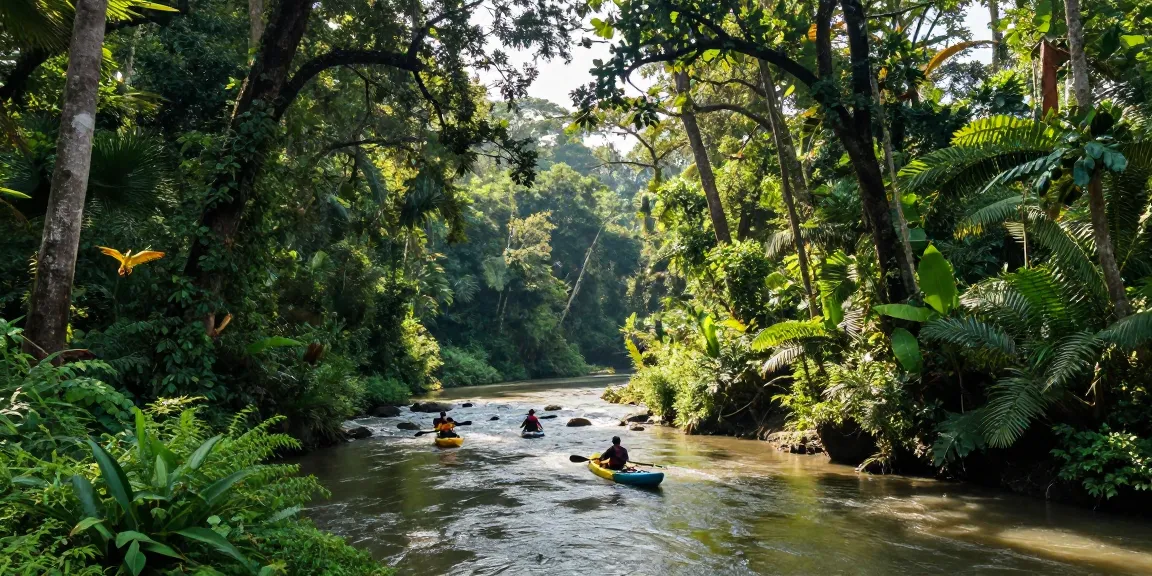
- Tropical Rainforests: Northern regions of Australia host lush rainforests that support rich biodiversity. Places like Daintree Rainforest in Queensland are home to rare species of plants and animals, including the cassowary.
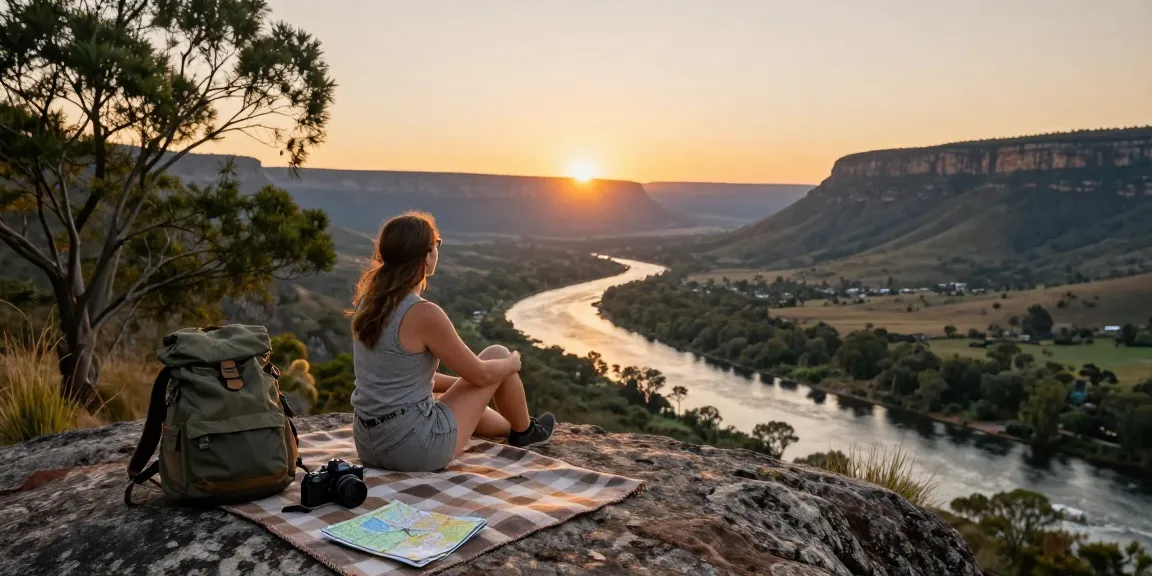
- Mountain Ranges: The Great Dividing Range runs along the eastern coastline and features stunning landscapes, including snow-covered peaks during winter. The Australian Alps offer hiking trails and breathtaking views.
Climate Zones Across Australia
The climatic conditions in Australia vary dramatically based on geographical location. The continent is divided into several climate zones:
- Tropical Climate: Found in the northern regions, this climate features warm temperatures year-round and heavy rainfall in summer. The wet season brings tropical storms and is critical for agriculture.
- Desert Climate: Central Australia experiences arid conditions with little rainfall and extreme temperature fluctuations between day and night.
- Temperate Climate: Most populous areas, including Sydney and Melbourne, enjoy a temperate climate characterized by four distinct seasons. Coastal areas generally have mild winters and warm summers.
- Subtropical Climate: Parts of southeastern Australia, including Brisbane, experience warm and humid summers with mild winters.
Significant Natural Wonders in Australia
Australia is home to numerous natural wonders that showcase its geological diversity and beauty:
- Uluru: Also known as Ayers Rock, Uluru is a massive sandstone monolith in the heart of the Northern Territory. It is sacred to the Indigenous Anangu people and a UNESCO World Heritage site.
- The Great Barrier Reef: This extensive marine ecosystem is a stunning display of biodiversity and is critical for conservation efforts.
- The Twelve Apostles: Located along the Great Ocean Road, these limestone stacks are a remarkable natural formation, breathtaking at sunrise.
- Lake Hillier: This unique pink lake in Western Australia, known for its vibrant color, is a scientific anomaly and a popular tourist attraction.
Cultural Diversity in Australia
Australia is deeply enriched by its cultural diversity, shaped by its Indigenous heritage and immigrant history. Recognizing and celebrating this diversity is crucial to understanding the nation.
Recognizing Indigenous Cultures in Australia
The Indigenous peoples of Australia, comprising Aboriginal and Torres Strait Islander communities, have inhabited the land for tens of thousands of years. They possess a rich cultural heritage, including languages, art, and traditions that remain vital today:
- Languages: Australia is home to more than 250 Indigenous languages, highlighting the cultural diversity of its First Nations peoples.
- Art and Music: Indigenous art, characterized by dot paintings and rock art, serves as a medium for storytelling and cultural expression. Traditional music, including the didgeridoo, continues to be integral to celebrations and ceremonies.
- Connection to Land: Indigenous cultures emphasize a deep spiritual connection to land, which is woven into their identity and traditions.
Modern Australian Society
Modern Australian society is a blend of various cultures, creating an inclusive environment:
- Multiculturalism: After World War II, Australia became increasingly multicultural, welcoming immigrants from Europe, Asia, the Middle East, and Africa. This has enriched the cultural landscape with diverse customs, cuisines, and festivals.
- Integration Policies: Australian government policies promote social integration, with initiatives aimed at encouraging community engagement among different cultural groups.
- Culinary Diversity: Australian cuisine reflects its multicultural society, incorporating influences from across the globe, resulting in a unique gastronomic experience.
Languages and Communities in Australia
The linguistic landscape of Australia is diverse, reflecting its multicultural essence:
- English: While English is the dominant language, Australia recognizes the importance of Indigenous languages, with many communities working to preserve them.
- Other Languages: Significant immigrant populations speak Italian, Mandarin, Greek, and Arabic, among others, contributing to Australia’s rich tapestry of languages.
Traveling Through Australia
Exploring Australia presents countless opportunities for unforgettable experiences, from urban sophistication to natural wonders.
Top Destinations to Visit in Australia
Australia offers an array of must-visit destinations catering to every traveler’s interests:
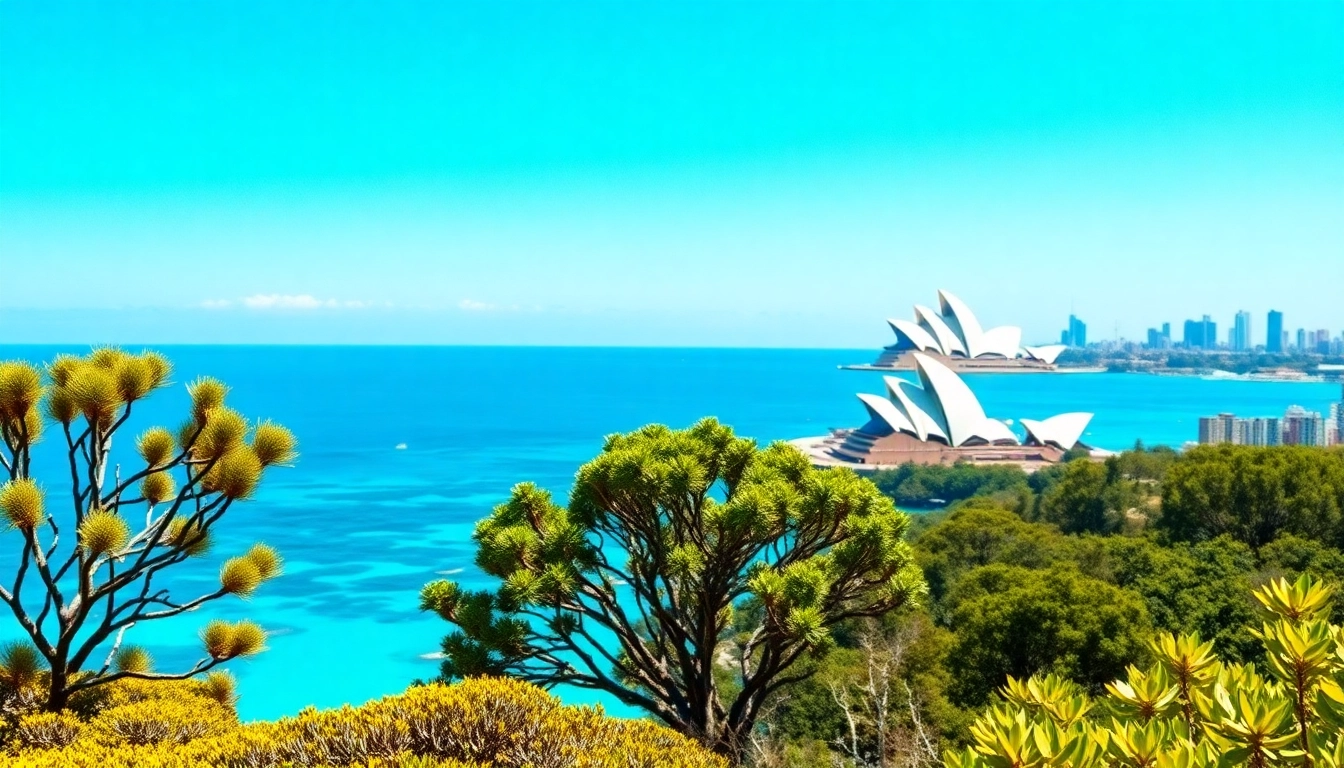
- Sydney: Famous for its iconic Opera House and Harbour Bridge, Sydney combines urban vibrancy with beautiful beaches such as Bondi and Manly.
- Melbourne: Known for its arts scene and multicultural atmosphere, Melbourne is a hub for foodies, arts enthusiasts, and sports fans alike.
- Cairns: The gateway to the Great Barrier Reef, Cairns is perfect for diving, snorkeling, and exploring lush rainforest.
- Brisbane: This sunny city boasts parks, culturally rich neighborhoods, and a laid-back lifestyle.
Travel Tips for Australia
Before setting off on a journey through Australia, consider these tips:
- Outdoor Adventures: Prepare for varying weather conditions and pack appropriate gear for activities such as hiking, swimming, or beach outings.
- Transportation: Australia’s transport network includes trains, buses, and domestic flights, making it easy to explore the vast distances.
- Respect Indigenous Lands: Always be respectful when visiting Indigenous sites and follow local guidelines and recommendations.
Safety and Health Considerations in Australia
Travelers should prioritize safety during their Australian adventures:
- Medical Care: Australia offers excellent healthcare services, but it's advisable to have travel insurance covering medical emergencies.
- Wildlife Safety: Familiarize yourself with local wildlife, including snakes and sharks, and heed warnings when swimming or hiking.
Economic Landscape of Australia
Australia boasts a robust economy with diverse sectors contributing to its prosperity. Understanding this landscape is key for anyone interested in working or investing in the country.
Main Industries Driving Australia’s Economy
The Australian economy is driven by several key industries:
- Mining: Australia is rich in natural resources such as coal, iron ore, and gold, making mining a pillar of its economy.
- Agriculture: Known for producing high-quality produce, Australia is a leading exporter of agricultural products, including beef and wine.
- Tourism: With its stunning landscapes, unique wildlife, and cultural experiences, tourism plays a vital role, generating significant income.
- Education: Australia is a popular destination for international students, contributing heavily to its economy.
Job Opportunities in Australia
The job market in Australia offers opportunities across various sectors:
- Healthcare: A growing demand for healthcare professionals makes it an appealing sector for job seekers.
- Technology: As digital innovation expands, IT and tech roles are increasingly in demand.
- Trade and Construction: With ongoing infrastructure projects, skilled tradespeople are also in high demand.
Cost of Living in Australia
The cost of living in Australia varies significantly by location:
- Major Cities: Living costs in cities like Sydney and Melbourne can be high, particularly concerning housing; however, regional areas are generally more affordable.
- Budgeting: Understanding housing, food, and transportation costs is essential for budgeting effectively when living in Australia.
History and Government in Australia
Australia's history and governance play critical roles in shaping contemporary society. Understanding this background is crucial for grasping its national identity and political landscape.
Key Historical Events in Australia
A few significant events marked Australia’s historical development:
- British Colonization: The arrival of the First Fleet in 1788 marked the beginning of British colonization, leading to profound changes for Indigenous communities.
- Federation: On January 1, 1901, Australia's six colonies united to form the Commonwealth of Australia, establishing a federal government.
- World Wars: Australia’s involvement in both World Wars reshaped its national identity and engagement in global affairs.
Understanding Australia’s Political System
Australia operates as a constitutional monarchy and a parliamentary democracy:
- Government Structure: The political landscape includes the House of Representatives, the Senate, and the Governor-General representing the monarchy, emphasizing a separation of powers.
- Political Parties: Major political parties include the Liberal Party, the Labor Party, and the Greens, each influencing policy direction and national debate.
International Relations and Australia's Role
Australia plays an active role in international relations, maintaining partnerships with other countries:
- Global Partnerships: Australia engages in multilateral institutions such as the United Nations, ASEAN, and the World Trade Organization.
- Regional Stability: As a member of organizations including the Pacific Islands Forum, Australia focuses on regional stability and cooperative initiatives.
- Climate Action: Australia is increasingly addressing climate change, committing to international agreements aimed at environmental protection.
Frequently Asked Questions
What is the best time to visit Australia?
The best time to visit Australia largely depends on the region. Generally, spring (September to November) and autumn (March to May) offer pleasant weather across most of the country.
Is Australia safe for travelers?
Australia is considered a safe travel destination. However, it's advisable to stay informed about local safety advice and natural conditions, especially in remote areas.
What is the currency used in Australia?
The currency used in Australia is the Australian Dollar (AUD). It's advisable to exchange currency at banks or authorized exchange outlets for better rates.
Do I need a visa to travel to Australia?
Most travelers require a visa or Electronic Travel Authority (ETA) to enter Australia. Check the Australian Government's immigration website for specific requirements based on nationality.
What languages are spoken in Australia?
English is the predominant language spoken in Australia, but many other languages represent the country’s multicultural population, including Mandarin, Italian, and Arabic.