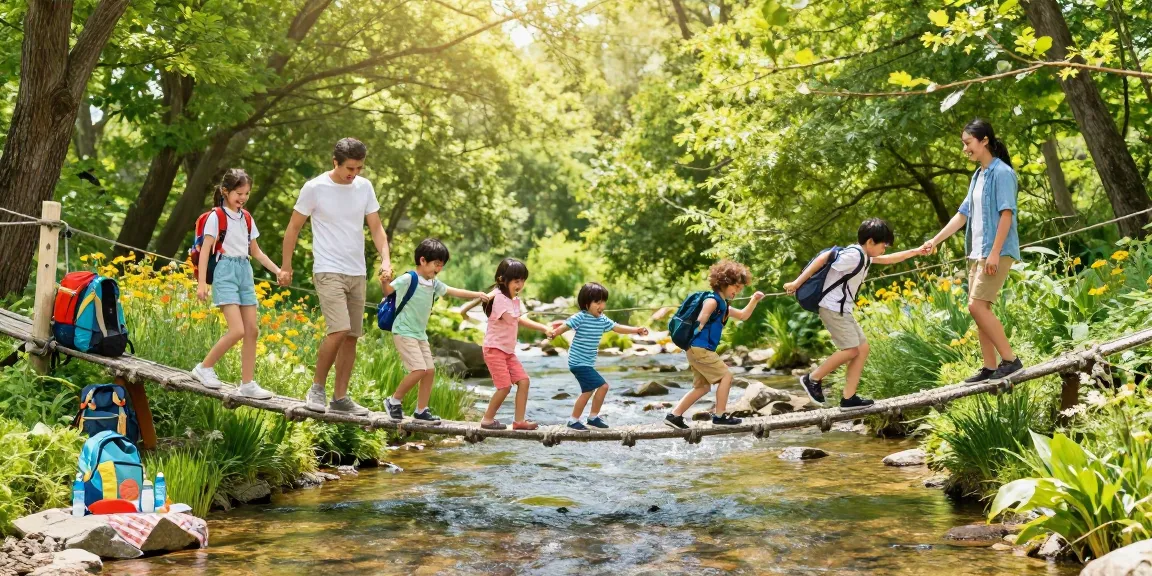
Understanding River Rope Bridges
River rope bridges, often synonymous with adventure and exploration, represent a unique confluence of engineering and nature. These structures, which allow people to traverse rivers and deep gorges, embody the spirit of adventure while also serving practical purposes in various landscapes. As outdoor enthusiasts and environmentalists alike seek ways to navigate our beautiful, yet rugged, terrains, the significance of a well-designed river rope bridge becomes clear. When exploring options, River Rope Bridge provides comprehensive insights into this fascinating subject.
What Is a River Rope Bridge?
A river rope bridge, typically constructed of intertwined ropes and suspended from a framework, facilitates foot traffic across water bodies. Unlike traditional bridges, these structures tend to blend more harmoniously with their surroundings, making them ideal for remote locations or natural conservation areas. They vary significantly in size and complexity, from simple suspended walkways to intricate designs that can accommodate varying loads.
The design of a river rope bridge prioritizes flexibility and strength, often employing materials such as high-tensile rope, wooden planks, and metal fixtures. These bridges are not just functional; they also add an aesthetic element to the landscape, making them popular in parks, hiking trails, and eco-tourism sites.
History and Cultural Significance of Rope Bridges
The use of rope bridges dates back thousands of years, with notable examples found in various cultures worldwide. For instance, the Incan civilization utilized grass and rope to construct bridges across their mountainous terrain, showcasing their engineering prowess and innovative spirit. In modern times, these bridges continue to represent a connection between people and nature, often serving as vital links in eco-tourism developments and remote area accessibility. Furthermore, they reflect the ingenuity of different cultures in overcoming the challenges posed by their geographical settings.
Key Components of a Safe River Rope Bridge
Safety is paramount when designing and constructing river rope bridges. The primary components that contribute to a bridge's safety include:
- Strong Anchor Points: These ensure that the bridge remains stable under various loads and environmental conditions.
- Quality Materials: High-tensile ropes, treated woods, and corrosion-resistant fixtures improve durability and safety.
- Weight Distribution: Proper load calculations prevent the structure from collapsing under unexpected stress.
- Maintenance Protocols: Regular inspections and upkeep are crucial for identifying potential failures before they occur.
Designing Your River Rope Bridge
Choosing the Right Location for Your Bridge
The success of a river rope bridge heavily relies on its location. Ideal spots should be evaluated for natural beauty, accessibility, and safety. Look for areas where the river widens to allow for ample support at both ends, while also considering the incline and current of the water. Environmental impact assessments can also guide the choice of location to ensure minimal disruption to local wildlife and ecosystems.
Essential Materials and Tools Needed
When embarking on the construction of a river rope bridge, it's essential to gather adequate materials and tools including:
- High-tensile rope (preferably synthetic for longevity)
- Wooden beams or planks for the walking surface
- Metal clamps and fixtures for added stability
- Safety gear including harnesses and helmets for workers
- Basic tools such as saws, wrenches, and drills
Best Practices in Rope Bridge Construction
Adopting best practices during construction can significantly enhance the bridge's safety and longevity. Some tips include:
- Engaging with experienced builders or engineers who specialise in rope bridge construction.
- Conducting site assessments to understand the challenges posed by the terrain and weather conditions.
- Implementing temporary supports during the construction phase to ensure stability.
- Involving local communities in the process, fostering a sense of ownership and respect for the structure.
Safety Protocols and Regulations
Understanding Local Building Codes
Before commencing the construction of a river rope bridge, it's crucial to understand local building codes and regulations. Each jurisdiction may have specific requirements regarding the materials, design, height, and load capacity of bridges. Consultation with local authorities or hiring a professional familiar with these codes can streamline the approval process and ensure compliance.
Safety Features for River Rope Bridges
Incorporating safety features into your bridge design is essential for protecting users. Safety features may include:
- Handrails: Providing sturdy handrails along the sides can offer support for those crossing.
- Non-slip Surfaces: Using textured materials for the walking surface reduces the risk of slips.
- Emergency Lighting: Installing lights can enhance visibility during low-light conditions.
Conducting Risk Assessments
Regular risk assessments can identify potential hazards associated with your river rope bridge. Factors to consider include the bridge’s structural integrity, environmental conditions, and usage patterns. Create a checklist for conditions such as:
- Weather effects (heavy rains, flooding)
- Material wear and tear
- Public use frequency
Building a Lasting Experience
Engaging Activities at Your River Rope Bridge
A river rope bridge can be a focal point for various engaging activities that enhance the outdoor experience. Encourage visitors to explore scenic views, partake in photography, or even enjoy guided tours that educate about the local ecosystem. Organising events such as team-building exercises or adventure races can also draw crowds and generate interest in your bridge.
Incorporating Nature Trails and Picnicking Areas
To further enhance the visitor experience, consider integrating nature trails and picnic areas near the bridge. Well-marked trails can guide visitors through scenic environments, promoting outdoor recreation and appreciation for nature. Additionally, designated picnic spots can encourage families and groups to enjoy the surroundings, fostering an inviting atmosphere.
Creating Interactive Learning Opportunities
Creating educational programs related to the river environment can add value to the river rope bridge experience. Workshops on local flora and fauna, guided nature walks, and talks on the significance of water conservation can engage visitors of all ages. This not only enhances their understanding but also instils a sense of responsibility towards environmental stewardship.
Future Trends in Outdoor Bridge Construction
Innovative Materials for Sustainable Bridges
The future of outdoor bridge construction is leaning towards sustainability. New materials such as composite woods and bioengineered alternatives are gaining popularity, offering strength while minimising environmental impact. These materials can reduce the carbon footprint of new bridge projects and promote a more responsible approach to outdoor construction.
Integrating Technology into Outdoor Adventures
As technology advances, it becomes increasingly integrated into outdoor experiences. Features such as augmented reality (AR) can enhance educational tours, offering interactive experiences for users as they traverse the bridge. Furthermore, sensors that monitor structural integrity in real time can alert operators to potential safety issues, enhancing maintenance protocols.
Predictions for Adventure Activities in 2026
Looking ahead to 2026, it is likely that adventure activities will become even more diverse and immersive. The inclusion of zip lines, climbing walls, or even aerial obstacle courses near river rope bridges may become commonplace, providing visitors with thrilling options to explore the environment. Additionally, eco-tourism will continue to thrive, with increased emphasis on sustainable practices and education about conservation.
What are the benefits of a River Rope Bridge?
River rope bridges offer numerous benefits, including enhanced accessibility to remote areas, promotion of eco-tourism, and opportunities for adventure activities, enhancing community engagement and local economies.
How much would it cost to build a River Rope Bridge?
The cost of building a river rope bridge can vary widely based on design complexity, materials used, and location factors. On average, costs can range from a few thousand to tens of thousands of dollars.
Where can I find River Rope Bridge kits?
Many companies provide DIY kits for river rope bridges, making it easier for enthusiasts to create their own structures. Online retailers often offer a range of options tailored to different needs and budgets.
Are River Rope Bridges safe for children?
With proper safety measures in place, including handrails and adult supervision, river rope bridges can be safe for children. It is essential to assess each bridge individually to ensure it meets safety standards.
What materials are best for constructing a River Rope Bridge?
The best materials for constructing a river rope bridge include high-tensile synthetic ropes, treated wood for durability, and metal fixtures for stability. Each component should be chosen based on its strength, weather resistance, and ease of maintenance.