Understanding House Washing
What is House Washing?
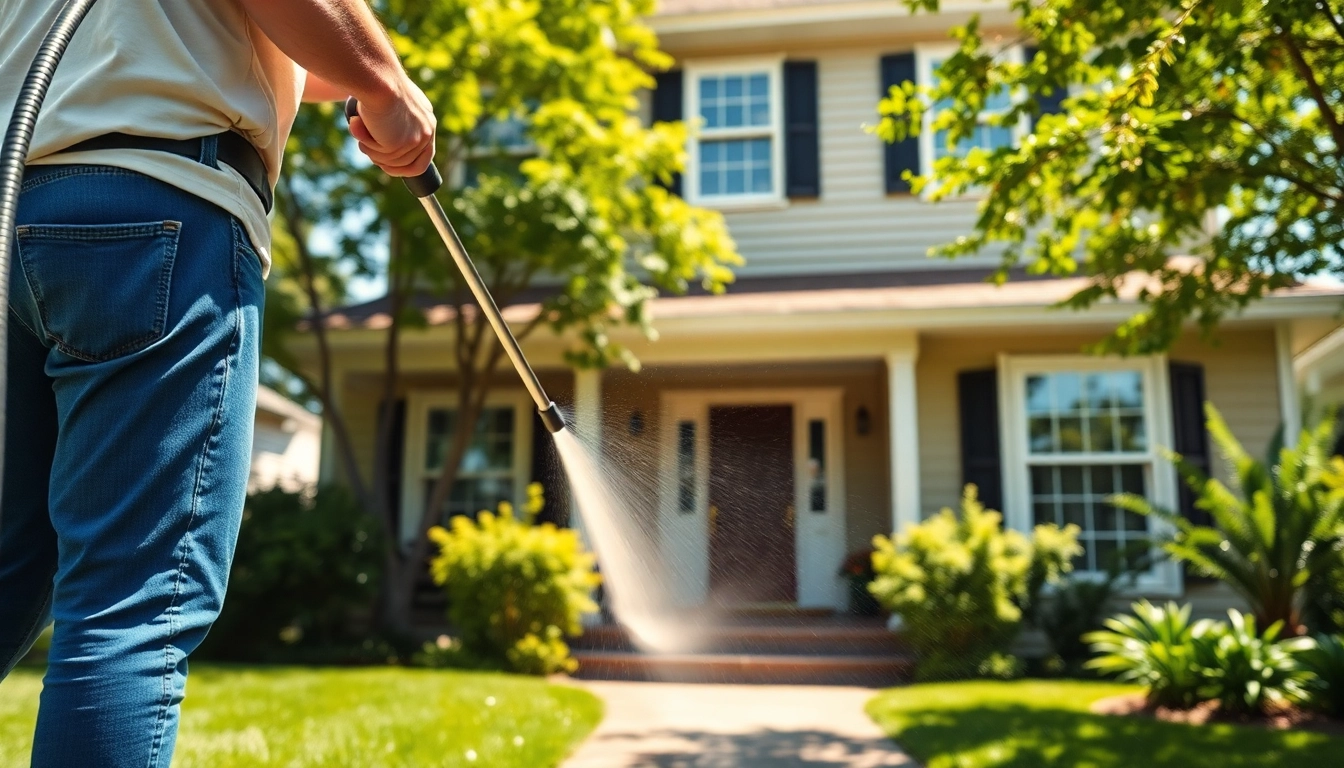
House washing is the process of cleaning the exterior surfaces of a building to remove dirt, grime, mold, mildew, and other contaminants. It often involves the use of specialized equipment, cleaning solutions, and methods to ensure a thorough clean without damaging the surfaces of the home. House washing serves not just aesthetic purposes but also maintains the integrity of various materials by preventing degradation from harmful substances. Many homeowners are turning to professional services to ensure this task is performed correctly and effectively, particularly in regions that encounter heavy rainfall or high humidity, which can lead to more rapid buildup of contaminants. For in-depth information regarding professional services in your area, consider exploring this House Washing resource.
Benefits of House Washing
House washing provides a myriad of benefits, encompassing aesthetics, home maintenance, and health considerations. Here are some key advantages:
- Enhances Curb Appeal: Regular washing removes stains and discolorations, making your home more visually appealing.
- Increases Property Value: A well-maintained exterior can increase your home's market value and attract potential buyers.
- Prevents Damage: Removing mold and mildew can prevent more serious structural damage and costly repairs over time.
- Improves Health: Regular cleaning minimizes allergens and pathogens on your property, promoting a healthy living environment.
- Saves Money: Routine washing can extend the life of your home's materials, ultimately saving you money on maintenance and replacements.
Common Myths About House Washing
Despite its numerous benefits, many misconceptions about house washing persist. Addressing these myths can help homeowners feel more comfortable with the idea of investing in this essential service:
- Myth 1: House Washing is Only for Aesthetics: While enhancement of appearance is a benefit, it also serves crucial protective and maintenance functions.
- Myth 2: All Methods Are the Same: Not all washing methods are effective for all surfaces. Pressure washing and soft washing serve different purposes and materials.
- Myth 3: DIY Washing is Equivalent to Professional Services: Professional services apply specialized knowledge, equipment, and solutions that are often more effective than DIY methods.
- Myth 4: Washing is Unnecessary Maintenance: Homeowners who routinely wash their property are more likely to prolong the lifespan of their exterior surfaces.
- Myth 5: Washing Can Damage Surfaces: When performed correctly by professionals, washing protects surfaces rather than damage them.
Choosing the Right House Washing Method
Pressure Washing vs. Soft Washing
The choice between pressure washing and soft washing is fundamental for effective cleaning.
- Pressure Washing: This method uses high-pressure water to blast away dirt and grime. It’s best for hard surfaces like concrete driveways, sidewalks, and brick walls. However, it can damage soft surfaces if not used appropriately.
- Soft Washing: Utilizing lower pressure and biodegradable cleaning solutions, soft washing is ideal for delicate surfaces such as roofs, vinyl siding, and painted surfaces. This method safely eliminates mold, mildew, and other organic materials without causing damage.
Understanding the right method for your home is key to achieving the best results while protecting your investment. Consulting with professionals can ensure you select the most effective and safest approach.
Best Practices for Effective House Washing
To achieve the best results from house washing, homeowners should consider the following best practices:
- Choose the Right Time: It's best to perform house washing in the spring or fall when temperatures are mild. Avoid direct sunlight to prevent streaks.
- Pre-Wash Inspection: Assess the surfaces to identify stubborn stains or areas requiring special attention before washing begins.
- Protect Surroundings: Cover plants, outdoor furniture, and electrical fixtures to protect them from water damage and cleaning solutions.
- Use Quality Equipment: Whether you are DIYing or hiring professionals, using high-quality equipment can significantly affect the cleaning effectiveness.
- Follow Manufacturer Guidelines: Adhering to the recommendations for materials and surfaces ensures optimal results without causing harm.
Environmental Considerations
When performing house washing, it's crucial to consider the environmental impact. Here are some points to keep in mind:
- Eco-Friendly Cleaning Solutions: Opt for biodegradable and environmentally safe detergents that don't harm surrounding plants and wildlife.
- Water Usage: Be mindful of water consumption, especially in drought-prone areas. Look for companies that have water conservation measures in place.
- Runoff Management: Ensure that runoff does not drain into storm drains or local waterways, potentially carrying harmful chemicals.
House Washing Costs and Estimates
Average Costs in Your Area
The costs associated with house washing can vary greatly based on location, home size, and specific services required. On average, homeowners can expect to pay between $241 and $418 for comprehensive washing services. However, prices may fluctuate based on square footage:
- Under 1,000 square feet: Approximately $190 - $291.
- 1,000 to 2,000 square feet: $300 - $480.
- Over 2,000 square feet: $500 and up.
Factors Influencing House Washing Prices
Several elements can influence the overall cost of house washing:
- Property Size: Larger homes naturally require more time and resources to wash.
- Type of Cleaning Method: Pressure washing typically costs more than soft washing due to the equipment and techniques involved.
- Location: Urban areas may command higher pricing due to demand and operational costs.
- Condition of Home: Homes with significant grime or mold may require additional treatment, effecting total cost.
- Seasonality: Certain times of the year may lead to higher demand and pricing for services.
Getting Accurate Quotes
To ensure you're getting a fair price for house washing services, consider the following tips for securing accurate quotes:
- Request quotes from multiple service providers to make comparisons.
- Ask for detailed breakdowns of services and prices included in the quote.
- Inquire about potential additional costs that may arise based on the home's condition.
- Ensure the company is licensed and insured to protect yourself during the service.
- Check for customer reviews and testimonials to assess the company’s reliability and service quality.
Preparing for House Washing
Essential Steps Before House Washing
Preparation is key for effective house washing. Here are essential steps you should take:
- Contact Professionals: If you are opting for a professional service, book the appointment in advance and confirm their arrival time.
- Remove Obstacles: Clear your driveway and surrounding areas of any items that may obstruct access to the home.
- Communicate Concerns: Inform the washing team of any areas of concern you may have regarding delicate materials or stains.
- Secure Pets: Ensure pets are kept inside or in a secure area away from the washing process and chemical materials.
- Notify Neighbors: If washing may cause noise, inform neighbors in advance to maintain good community relations.
Safety Precautions for Homeowners
Safety must always be a priority during the house washing process. Here are some recommended safety precautions:
- Wear protective gear including gloves, goggles, and masks to prevent inhalation of chemicals.
- Ensure electrical outlets and fixtures are protected from water exposure to avoid hazards.
- Keep children and pets away from the work area for their safety.
- Be mindful of slipping hazards on wet surfaces.
- Follow all manufacturer guidelines for products used during the washing process.
How to Maintain Cleanliness Post-House Washing
After your house has been professionally washed, maintaining its cleanliness is crucial. Here are some strategies:
- Regular Inspections: Routinely check your home for signs of grime or mold buildup.
- Sealing and Coating: Consider applying protective coatings that resist dirt and algae growth on surfaces.
- Regular Cleaning: Schedule follow-up cleanings based on local climate conditions that may promote rapid buildup.
- Gutter Maintenance: Keep gutters clean and free from debris to ensure proper drainage and prevent water damage.
- Trim Nearby Vegetation: Regularly trim trees and shrubs to reduce organic buildup on your home.
FAQs About House Washing
How often should I wash my house?
Most experts recommend washing your house at least once a year, though more frequent cleanings may be necessary in humid or heavily polluted areas.
Is house washing safe for all surfaces?
While house washing is generally safe, delicate materials like painted surfaces may require soft washing to prevent damage.
Can I DIY house washing?
While DIY methods are possible, hiring professionals ensures the use of appropriate techniques and equipment for effective cleaning.
What are the signs my house needs washing?
Common signs include visible dirt, streaks, mold growth, or peeling paint. Any of these indicate it's time for house washing.
Will house washing damage my plants?
If done incorrectly, house washing can harm nearby plants. It's essential to protect them and use eco-friendly cleaning solutions.