What is HVAC Duct Leakage?
Definition and Overview
HVAC duct leakage refers to the unwanted escape of air from ducts in a heating, ventilation, and air conditioning (HVAC) system. This phenomenon occurs when there are holes, cracks, or gaps in the ductwork through which conditioned air can escape, resulting in decreased efficiency and increased energy bills. Properly sealed ducts ensure that the air delivered reaches the intended spaces without loss, which is critical for effective climate control within a building.
Common Causes of HVAC Duct Leakage
Several factors contribute to havc duct leakage. Key causes include:
- Age of the Ducts: Older duct systems may have developed cracks and gaps due to wear and tear.
- Improper Installation: Poorly installed ducts can lead to misalignment, allowing air to escape.
- Material Deterioration: Over time, materials can degrade, causing leaks, especially in flexible ducting.
- Extreme Temperatures: Fluctuations in temperature can cause materials to expand and contract, creating gaps.
Impact on Home Efficiency
Leakage in HVAC ducts results in significant energy loss, demanding more effort from HVAC systems to maintain desired temperatures. Homes experience higher utility bills due to:
- Increased Heating and Cooling Costs: Systems must work harder to compensate for lost air, leading to higher energy consumption.
- Poor Indoor Air Quality: Leakage can introduce dust and pollutants into the living space.
- Inconsistent Temperature Distribution: Rooms may have varied temperatures, creating discomfort.
How to Identify HVAC Duct Leakage
Visual Inspection Techniques
Conducting a visual inspection can be a practical initial step in identifying duct leakage. Homeowners can look for signs such as:
- Dust and debris accumulation around air ducts.
- Temperature discrepancies between rooms.
- Discolored spots on ceilings or walls, indicating possible leaks.
Using Diagnostic Tools
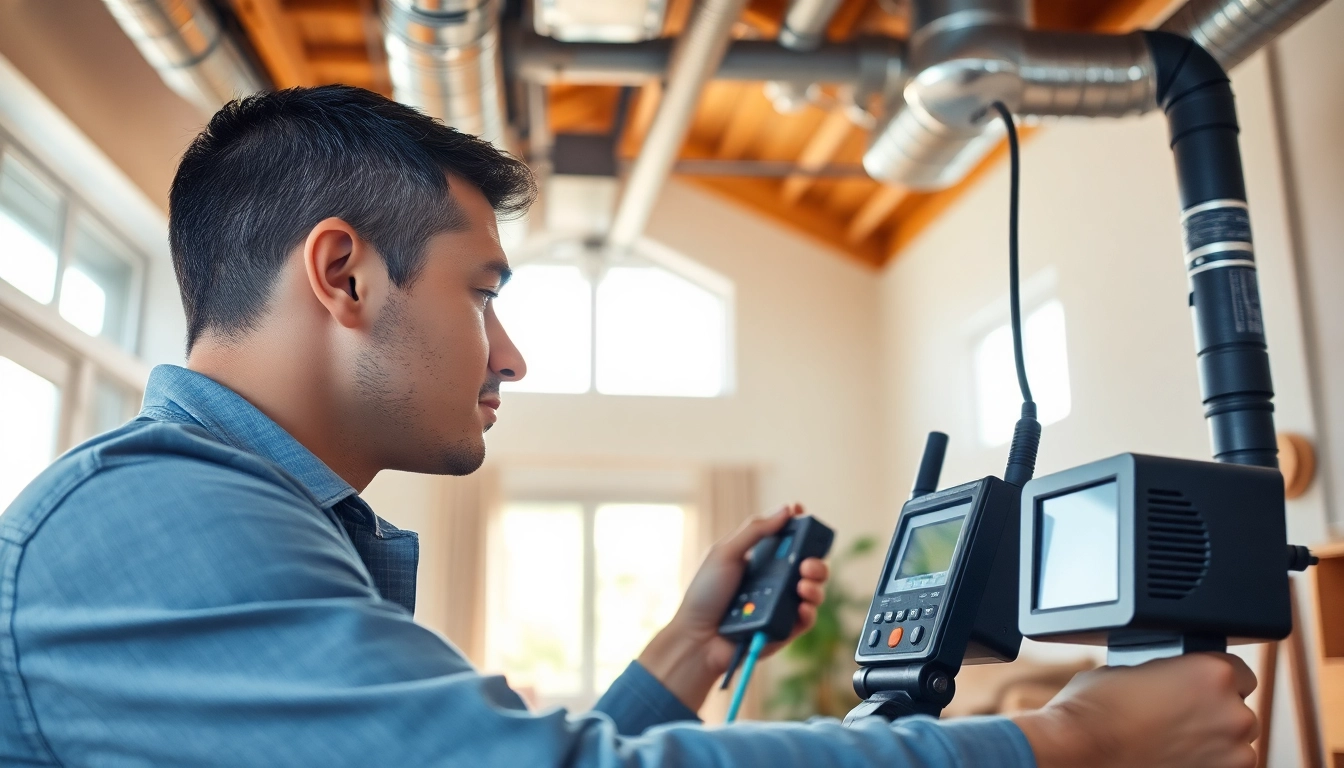
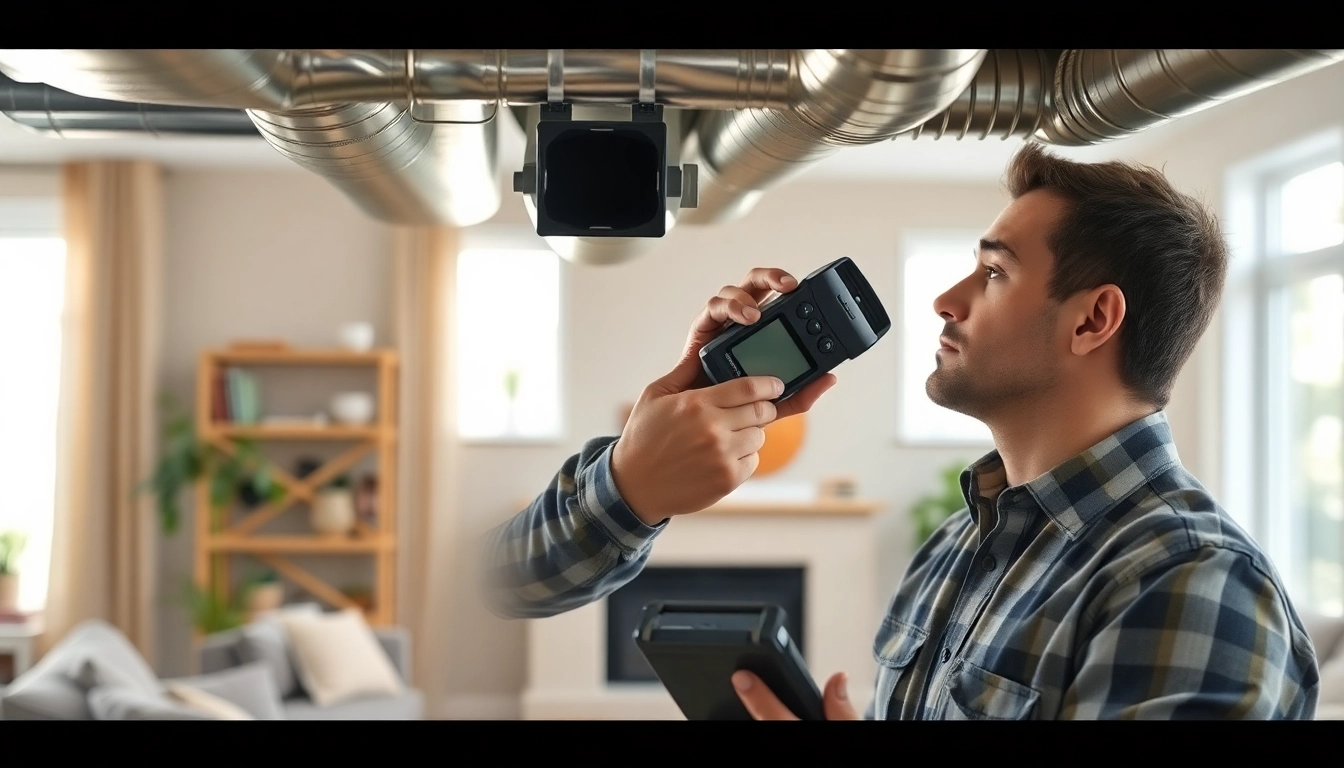
Professionals often utilize diagnostic tools for a more thorough assessment. These include:
- Infrared Cameras: These identify temperature variations, helping locate leaks.
- Smoke Pencil: A smoke pencil produces a visible smoke stream to pinpoint airflow issues.
Common Symptoms of Duct Leakage
Homeowners may observe several symptoms indicating duct leakage:
- Higher than average energy bills.
- Rooms that are too hot or too cold.
- Persistent dust control issues, leading to respiratory problems.
Methods for Testing HVAC Duct Leakage
Blower Door Test Explained
The blower door test measures the airtightness of a building by using a specialized fan to depressurize the home. As the interior is depressurized, external air leaks into the building, revealing leakage areas. This test provides an index of duct leakage, allowing for an effective evaluation of the HVAC system.
Pressure Testing Techniques
Pressure testing directly evaluates duct efficiency. The process involves:
- Sealing all supply and return registers.
- Applying pressure to the duct system with a fan to identify leakage points.
DIY vs. Professional Testing
While DIY methods can offer preliminary insights into duct leakage, professional testing supplies more comprehensive data and long-term solutions. Professionals bring specialized tools and expertise, ensuring accurate results.
Best Practices for Sealing Duct Leakage
Materials for Duct Sealing
Choosing the right materials for duct sealing is essential. Commonly recommended materials include:
- Mastic Sealant: A thick paste suitable for sealing large gaps.
- UL 181-rated Foil Tape: Used for sealing seams and connections.
- Duct Insulation: Proper insulation not only reduces leaks but also improves energy efficiency.
Step-by-Step Sealing Process
The process of sealing ducts generally involves:
- Identifying leakage points using previous diagnostic tools.
- Cleaning the area surrounding any gaps or holes.
- Applying mastic or tape to seal identified leaks.
- Verifying the seals through further testing.
Preventive Measures to Reduce Leakage
Regular maintenance can help minimize the chances of duct leakage. Consider the following practices:
- Schedule regular inspections and service for your HVAC system.
- Use high-quality materials to ensure longevity.
- Ensure proper installation during initial setup of the HVAC system.
Frequently Asked Questions About HVAC Duct Leakage
How does duct leakage affect energy bills?
Duct leakage leads to warm or cool air escaping, causing HVAC systems to work harder to maintain desired temperatures, resulting in increased energy bills.
What are the signs of duct leakage?
Signs include higher energy costs, uneven temperatures in rooms, and excessive dust accumulation, indicating potential leaks in the ducts.
When should I test for duct leakage?
Testing is advisable when you notice significant temperature differences between rooms or if energy bills suddenly increase.
Can I seal ducts myself?
Yes, but it’s recommended to have a professional assess major issues. Minor leaks can often be sealed with mastic or tape without specialized tools.
What costs are associated with duct leakage testing?
Testing costs can vary, typically ranging from several hundred dollars, depending on the complexity of the HVAC system and the location.