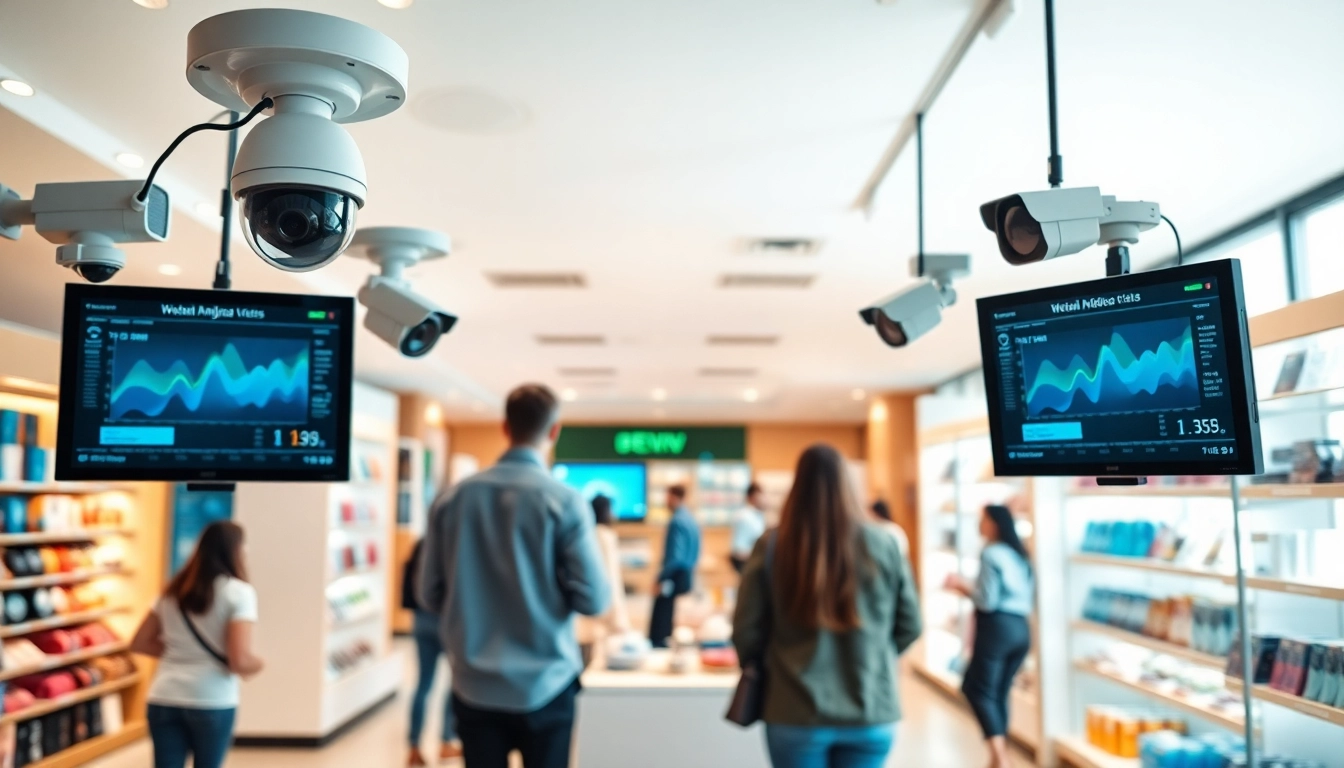
Introduction to Retail Video Analytics
In today's fast-paced retail environment, the ability to glean insights from customer behavior and operational efficiencies is crucial for success. retail video analytics has emerged as a transformative tool, integrating real-time data with advanced algorithms to provide businesses with unparalleled visibility into their operations. This article delves into the fundamentals of retail video analytics, the benefits it provides, its implementation strategies, the challenges that might arise, and the future trends shaping this landscape.
Definition of Retail Video Analytics
Retail video analytics refers to the application of software that processes video feeds from surveillance cameras in retail environments. This technology employs machine learning and artificial intelligence (AI) to analyze customer interactions, monitor traffic patterns, and assess operational performance. Essentially, it allows retailers to convert visual data into actionable insights.
Importance in Retail Operations
As retailers increasingly look for competitive advantages, the importance of analytics cannot be overstated. Retail video analytics not only improves security by monitoring potential theft or unsafe behavior but also enhances customer experience by understanding shopping patterns. In a world where every interaction counts, leveraging video analytics can significantly boost a retailer's operational capabilities.
Basic Technologies Involved
The backbone of retail video analytics includes several key technologies:
- Machine Learning (ML): Algorithms that learn from data to enhance decision-making and predictive capabilities.
- Computer Vision: Enables machines to interpret and make decisions based on visual data.
- Data Analytics Tools: Software that processes and visualizes insights gleaned from the collected video data.
- Cloud Storage: Provides the necessary infrastructure to store large volumes of video data securely.
Key Benefits of Retail Video Analytics
Enhancing Customer Experience
One of the most significant benefits of retail video analytics is its ability to enhance customer experience. By analyzing foot traffic and customer behavior, retailers can tailor their layouts and product placements to align with shopping habits, ensuring that high-demand items are strategically located. Additionally, insights on customer interactions enable personalized marketing strategies that resonate with shoppers' preferences.
Boosting Sales and Revenue
Data-driven decision-making plays a pivotal role in driving sales. Retail video analytics can identify peak shopping times and underperforming products, allowing businesses to optimize their inventory and promotional strategies accordingly. This insight translates directly into increased sales and improved revenue generation, as retailers can more effectively meet customer demand.
Operational Efficiency Improvements
Retail video analytics also drives operational efficiency by monitoring various store activities, such as staffing levels and checkout wait times. By continuously evaluating these metrics, retailers can optimize workforce management, reduce operational costs, and ultimately enhance overall service quality.
Implementation Strategies for Retail Video Analytics
Choosing the Right Tools and Technologies
The first step in implementing retail video analytics is selecting the right tools and technologies. Businesses should evaluate their specific needs, assess available solutions, and choose a system that integrates seamlessly with their existing infrastructure. Compatibility, scalability, and user-friendliness are vital attributes that can influence the effectiveness of a video analytics solution.
Integrating with Existing Systems
Successful integration of retail video analytics with existing systems—such as point of sale (POS), inventory management, and customer relationship management (CRM)—is essential. This ensures a holistic view of operations and enables cross-system insights that enhance decision-making. Integration minimizes disruptions and maximizes benefits as data flows seamlessly across platforms.
Training Staff for Effective Use
Implementing new technology is only as effective as the people using it. Comprehensive training programs that educate staff on utilizing retail video analytics tools will empower them to extract meaningful insights. Staff should understand both the technical aspects of the tools and how to incorporate these insights into their daily operations for maximum impact.
Challenges in Retail Video Analytics
Data Privacy and Security Concerns
With the increased use of surveillance technology, concerns about data privacy and security have amplified. Retailers must navigate regulations such as GDPR while ensuring that data collected is used ethically and responsibly. A strong data governance framework is necessary to protect customer information and mitigate risks associated with data breaches.
Interpreting Analytical Data Accurately
Data interpretation is an art and a science. Retail video analytics can generate vast quantities of data, but deriving actionable insights requires expertise. Retailers should invest in skilled analysts who can differentiate between noise and valuable insights, drawing accurate conclusions that can inform strategic decisions.
Cost of Implementation
The initial setup costs associated with retail video analytics can be prohibitive for some businesses. While the long-term benefits typically outweigh these costs, retailers should carefully assess overall return on investment (ROI). A phased implementation approach may also facilitate easier adaptation and budgeting.
Future Trends in Retail Video Analytics
AI and Machine Learning Advancements
The future of retail video analytics will be heavily influenced by advancements in AI and machine learning. As algorithms become more sophisticated, they will provide deeper insights into consumer behavior and operational efficiencies. Predictive analytics based on historical data will empower retailers to anticipate trends and stay ahead of the competition.
Integration with IoT
The Internet of Things (IoT) is reshaping retail, and its integration with video analytics offers exciting possibilities. Retailers can leverage data from various IoT devices to offer real-time insights into in-store activities, customer preferences, and inventory management, creating a more responsive retail environment.
Emerging Use Cases in Retail
As retail video analytics technology evolves, new use cases will emerge. For instance, advanced facial recognition systems could enhance personalized marketing by identifying returning customers or targeting marketing efforts based on demographics. Equally, integrating augmented reality (AR) could create immersive shopping experiences that merge physical and digital retail.
FAQs about Retail Video Analytics
1. What is retail video analytics?
Retail video analytics involves the use of video data to gain insights into customer behavior and optimize store operations through machine learning and AI technologies.
2. How does retail video analytics enhance customer experience?
It improves the customer experience by analyzing shopping patterns, helping retailers optimize store layouts and product placements based on real-time data.
3. What are key benefits of implementing retail video analytics?
The main benefits include enhanced customer experiences, increased sales, improved operational efficiency, and the ability to make data-driven decisions.
4. Are there privacy concerns with retail video analytics?
Yes, privacy concerns arise due to surveillance practices, requiring retailers to adhere to data protection regulations and implement robust governance frameworks.
5. What are future trends in retail video analytics?
Future trends include advancements in AI, integration with IoT, and the development of new use cases such as predictive analytics and personalized marketing.