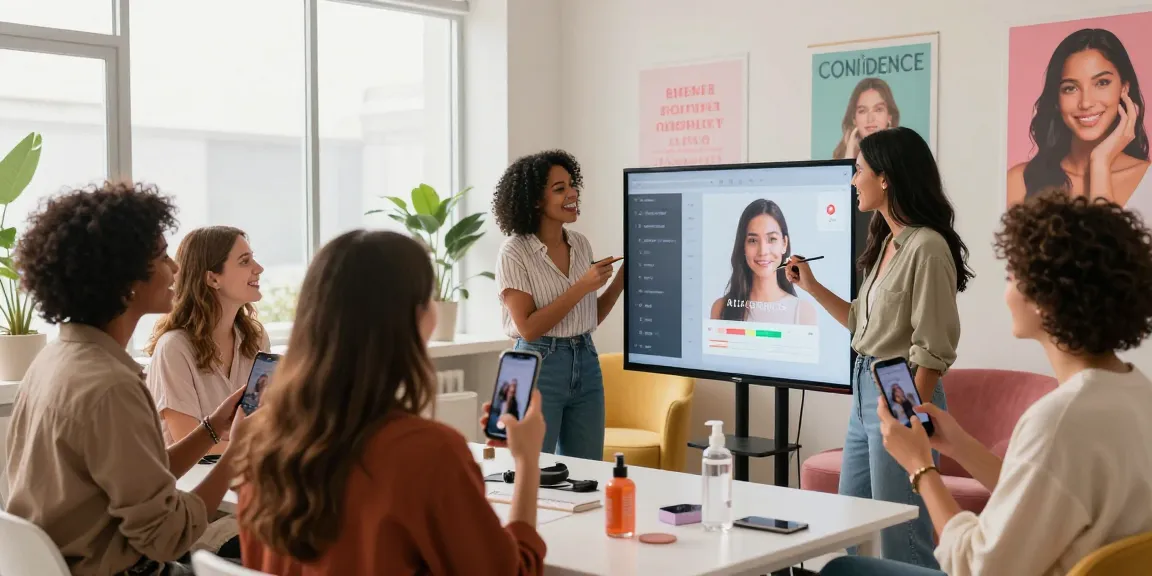
Understanding Facial Age Estimation
Facial age estimation technologies have gained considerable attention in recent years, mainly due to advancements in artificial intelligence (AI) and machine learning. These tools not only offer a fun way to gauge how old someone appears but also serve as important resources in various industries, including beauty, healthcare, and marketing. Understanding the basics of how these systems work and their implications can significantly enhance user experience. When it comes to exploring options on this topic, how old do I look provides comprehensive insights into the intricacies of facial age estimation.
What is a Facial Age Estimator?
A facial age estimator is a digital tool that analyzes a user's facial features to predict their perceived age. Using algorithms, these tools estimate age based on various characteristics, including skin texture, wrinkles, and overall facial structure. The technology is often powered by deep learning and neural networks, which have been trained on vast datasets of face images to improve accuracy and reliability.
How Does AI Determine Age?
AI age estimation relies on complex algorithms that dissect features such as skin color, texture, the presence of facial hair, and other age indicators. The models are trained using age-labeled datasets, allowing the AI to learn correlations between physical appearance and actual age. For instance, features like fine lines or sagging skin are often associated with older ages, while smoother, firmer skin is linked to youth. As the AI processes an image, it assigns a numerical value to these features, ultimately producing an estimated age.
Common Misconceptions About Age Estimation
Many users harbor misconceptions about the capabilities and limitations of facial age estimation tools. One prevalent myth is that these tools can provide a perfect age match. However, the reality is that various factors, including lighting and photo quality, can skew results. Another misconception is that these tools are purely for entertainment; in fact, they have applications in dermatology, marketing, and personal care. Understanding these nuances is essential for users to set realistic expectations when utilizing age estimation tools.
How to Use Age Estimation Tools Effectively
To maximize the benefits of facial age estimation tools, users should adhere to guidelines that facilitate accurate and reliable results. These tools can be sensitive to both image quality and user input, so knowing how to navigate these aspects is crucial for obtaining meaningful insights.
Step-by-Step Guide to Uploading Your Photo
Using a facial age estimator typically involves the following steps:
- Select a Trusted Platform: Choose a reliable facial age estimator. Look for user reviews and ratings to help you make your choice.
- Photo Quality: Ensure your photo is clear and well-lit. Natural lighting is preferable to avoid distortions.
- Upload Your Image: Follow the platform’s instructions to upload your photo, ensuring it meets any specific requirements (e.g., size, format).
- Receive Your Results: Wait for the analysis, which usually takes seconds. Review the results carefully.
Tips for Getting Accurate Results
To enhance the accuracy of your age estimation, consider the following tips:
- Use a recent photo that reflects your current appearance.
- Avoid using heavily edited images or those with filters.
- Experiment with different angles and expressions, as these can impact the estimation.
Understanding the Privacy Policies of Apps
Privacy is a critical consideration when using online age estimation tools. Before uploading your photo, familiarize yourself with the platform's privacy policy. Questions to ask include:
- What data is collected, and how is it used?
- Is the photo stored, and for how long?
- Are there any data-sharing agreements with third parties?
Factors Influencing Perceived Age
Various external and internal factors contribute to how people perceive age, impacting results from facial age estimators.
Skin Condition and Its Effects on Age Perception
Skin condition plays a pivotal role in age perception. Factors like hydration, elasticity, and the presence of blemishes or dark spots significantly influence how old someone appears. For instance, well-moisturized skin can impart a youthful glow, while dry or damaged skin may suggest an older age.
The Role of Lighting in Photos
Lighting is crucial in photography, affecting how features are highlighted or shadowed. Natural light typically provides the best results, while harsh artificial lighting can create shadows or reflections that mislead age estimations. Users should be mindful of their environment when capturing images for analysis.
Cultural Influences on Age Estimation
Cultural perceptions of aging can vary widely, influencing individual assessments of age. In some contexts, older individuals are viewed as wise and dignified, while in others, there is a greater emphasis on youthfulness. This cultural lens can affect personal interpretations of the AI-generated results.
Comparing Different Age Estimation Tools
With an array of age estimation tools available, it's beneficial to compare features, accuracy, and user experiences to find the best one for your needs.
Top Competitor Apps and Their Features
Some of the most popular facial age estimation tools include:
- FaceAge.ai: An AI-powered face age estimator that provides quick and privacy-focused results.
- Fotor: Offers an intuitive platform that requires no signup, making it accessible for casual users.
- BeautyPlus: This app includes additional beauty features beyond age estimation, appealing to users interested in holistic beauty assessments.
Pros and Cons of Each Tool
Each tool has its own set of advantages and drawbacks:
- FaceAge.ai:
- Fotor:
- BeautyPlus:
User Experiences and Feedback
User reviews are invaluable for gauging the effectiveness of these tools. Many users appreciate the instant results, while others have noted discrepancies based on different lighting or photo quality. Collecting feedback can aid potential users in selecting the most suitable app for their needs.
Future Trends in Age Estimation Technology
As technology evolves, so too do age estimation tools. The upcoming years will likely see significant advancements driven by AI and user demand for accuracy and engagement.
Advancements in AI and Machine Learning
Future iterations of facial age estimation tools are expected to leverage even more sophisticated AI algorithms. As machine learning continues to improve, these tools may become better at adjusting to individual features and reducing error rates. Innovations in computer vision will further enhance the accuracy of age predictions.
Anticipated Changes in User Interaction
Expect more interactive user experiences as companies incorporate augmented reality (AR). Users might engage with their avatars, seeing real-time adjustments as they age or apply skincare treatments, creating an engaging way to visualize aging.
Ethical Considerations in Age Estimation
As these technologies progress, ethical concerns will inevitably arise. Issues such as data privacy, consent, and the psychological impact of perceived age calculations are critical to address. Stakeholders must establish ethical guidelines to ensure user safety.
What to Expect by 2026?
By 2026, we anticipate age estimation tools to integrate seamlessly into various platforms, including social media, personal health apps, and e-commerce sites. This integration will enhance user experience, enabling targeted marketing strategies while respecting user privacy.
How to Choose the Right Tool for Your Needs
When selecting an age estimation tool, consider the purpose behind your inquiry. If you seek a simple fun experience, a lightweight app may suffice. Conversely, if you're looking for serious insights into skincare or health, invest in a more sophisticated tool with a strong grounding in AI technology.
Real-World Applications of Age Estimation Tech
Beyond entertainment, facial age estimation is being leveraged in various real-world scenarios:
- Healthcare: Professionals might use age estimators to gauge skin health and recommend tailored treatments.
- Marketing: Brands can better understand their audience's age demographics to create targeted advertisements.
How Age Estimation Can Impact Social Interactions
Facial age estimation tools can influence how individuals perceive themselves and others. For instance, a younger-looking appearance may boost confidence, while an older estimation may lead to self-consciousness. The social implications of these perceptions warrant careful consideration.
Future Innovations and Potential Developments
Innovation in this field could lead to the merging of age estimation and other beauty technologies, creating multi-faceted tools. Imagine an app that not only estimates age but also recommends beauty treatments tailored to your predicted age. The fusion of data science and beauty is just beginning.
FAQs About Age Estimation Tools
Here are some frequently asked questions regarding age estimation tools:
Can I Trust AI Age Estimation Results?
While AI age estimators can provide interesting insights, results should be taken with a grain of caution. They are not infallible and should not be used as definitive assessments of age.
Are There Limitations to These Tools?
Yes, limitations exist, such as reliance on the quality of images and potential biases in the datasets used for training the AI. Users should be aware of these constraints when interpreting results.
What Should I Do if I Disagree with the Result?
If the result feels inaccurate, consider trying another tool or using different photos to provide a fresh perspective. Results can vary significantly across different platforms.
How Can I Improve My Facial Recognition Accuracy?
To optimize accuracy, use high-resolution photos taken in natural light without heavy makeup or filters. Consistent angles and expressions can also help enhance reliability.
Are Age Estimation Apps Safe to Use?
Safety largely depends on the application’s privacy policies and practices. Always choose reputable apps with clear guidelines on data usage and user consent.