Understanding Scissor Lift Applications
What is a Scissor Lift?
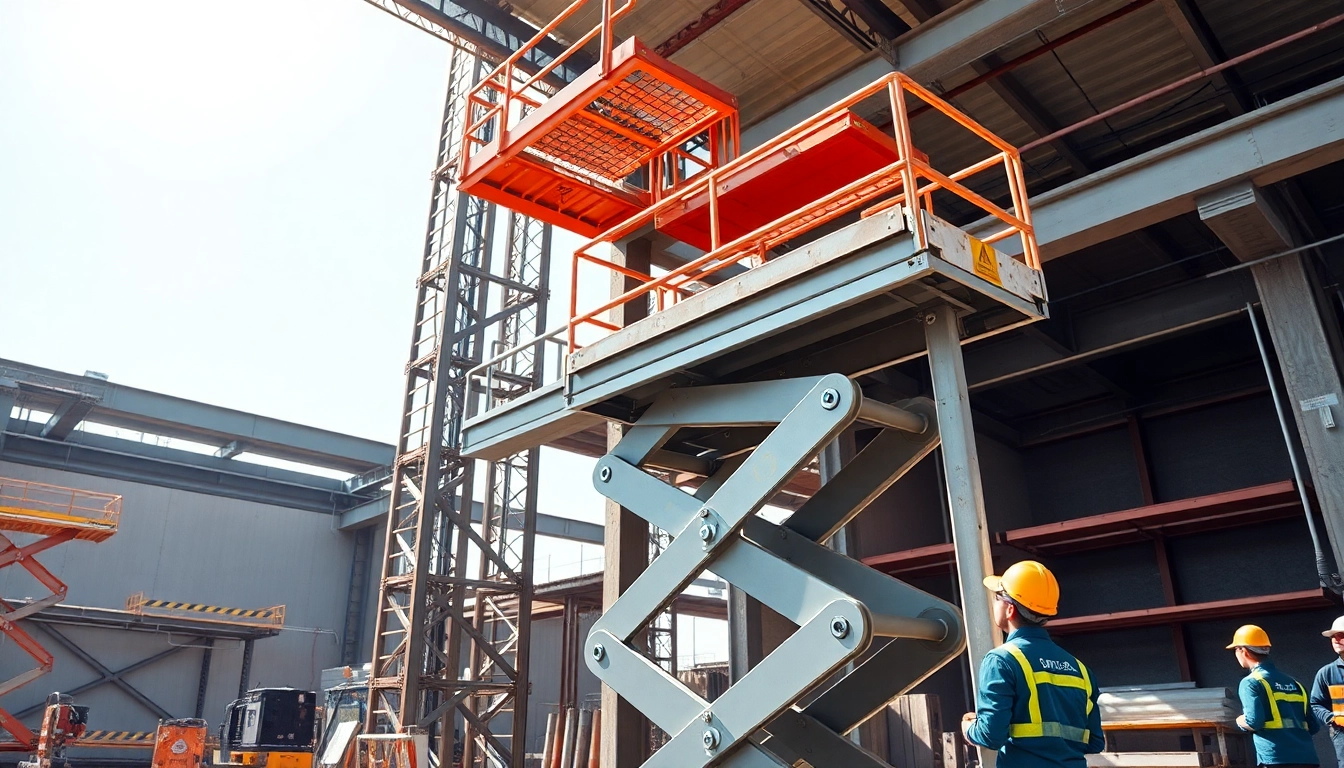
A scissor lift is a type of aerial lift that features a platform which can be raised vertically using crisscrossed beams, resembling a folding scissor mechanism. This design offers stability and a large work surface, making it a popular choice in various sectors that require working at heights. Typically, scissor lifts can reach heights between 20 to 60 feet, with specialized models designed for higher elevations.
Common Uses in Industries
Scissor lifts are essential tools in multiple industries for a myriad of applications, including:
- Construction: Used for installing ceilings, hanging fixtures, and performing maintenance work.
- Warehousing: Ideal for reaching high shelves, inventory management, and order picking.
- Manufacturing: Frequently utilized for machine maintenance and assembly line operations.
- Event Planning: Employed for setting up stages, lighting, and other high-altitude arrangements.
- Facility Maintenance: Used for window cleaning, HVAC maintenance, and facility inspections.
Benefits of Using Scissor Lifts
Investing in a scissor lift comes with numerous advantages:
- Enhanced Safety: Provides a secure platform for workers at heights, reducing fall risks compared to ladders.
- Efficiency: Significantly speeds up tasks that require heights, allowing more productivity in less time.
- Versatility: Suitable for indoor and outdoor use, scissor lifts can navigate various terrains based on the model type.
- Cost-Effectiveness: Reduced labor costs through automation and improved efficiency lead to overall savings.
Types of Scissor Lifts Available
Electric vs. Diesel Scissor Lifts
Scissor lifts are categorized mainly into electric and diesel types, each serving specific use cases:
- Electric Scissor Lifts: Best for indoor applications due to their quiet operation and no emissions, these lifts are perfect for warehouses and factories. They usually operate on batteries which requires regular charging.
- Diesel Scissor Lifts: Designed for rugged outdoor terrains, these models have powerful engines and can handle uneven surfaces. Ideal for construction sites, they provide the additional lift height required for extensive projects.
Rough Terrain vs. Slab Lifts
The surface on which a scissor lift will operate can dictate its design. Rough terrain lifts are equipped with larger tires and increased articulation features, allowing traversal of uneven or uneven ground. In contrast, slab lifts are tailored for smooth surfaces, like concrete, making them adept at maneuvering inside structures.
Key Features to Consider
When choosing a scissor lift, various fundamental features warrant consideration:
- Lift Height: Determine the maximum height required for tasks.
- Platform Size: Choose based on the required workspace.
- Weight Capacity: Consider the weight of the workers and materials to be lifted.
- Terrain Compatibility: Choose between rough terrain and slab lifts based on the work environment.
- Controls: Look for user-friendly controls, especially if different operators will use the lift.
Operating a Scissor Lift Safely
Pre-Operation Checklists
Before operating a scissor lift, it is crucial to conduct thorough pre-operation checks:
- Inspect the lift for any visible damage or wear.
- Ensure that hydraulic systems are functional and check for fluid leaks.
- Verify that safety features, such as emergency stop buttons, are operational.
- Evaluate the surrounding area for overhead hazards or structural barriers.
Best Safe Operation Practices
Adhering to safe operation practices is vital for preventing accidents:
- Always follow the manufacturer's operational guidelines.
- Do not exceed the lift capacity.
- Ensure that the platform is level before elevating.
- Maintain a safe distance from power lines and other hazards.
- Use personal protective equipment (PPE) as required.
Training Requirements for Operators
Proper training is essential for anyone operating a scissor lift:
- Provide comprehensive instruction on lift operation and safety features.
- Conduct regular refresher training to keep operators updated on best practices.
- Ensure that operators understand hazard recognition and emergency procedures.
Maintenance of Scissor Lifts
Routine Maintenance Checklist
Regular maintenance ensures safe and efficient operation. Here are some key tasks:
- Perform daily inspections before use.
- Clean dirt and debris from electrical connections and moving parts.
- Check and maintain battery levels or fuel requirements as appropriate.
- Lubricate moving parts as recommended by the manufacturer.
Signs of Wear and Required Repairs
Operators should be vigilant about signs indicating maintenance needs:
- Noisy operation or grinding sounds.
- Sluggish or unresponsive lifting actions.
- Visible damage or corrosion on crucial components.
- Drastic drops in battery performance or hydraulic power.
Proper Storage Techniques
When not in use, scissor lifts should be stored properly to prevent damage:
- Store in a dry location away from potential moisture and obstructions.
- Keep the battery charged and maintain regular electrical checks.
- Ensure that the lift is covered to protect against dust and debris.
Rental vs. Purchase Considerations
When to Rent a Scissor Lift
Renting a scissor lift can be a smart choice under certain circumstances:
- Short-term projects where immediate lift access is necessary.
- Limited budgets that don’t support a full purchase.
- To test different models before making a purchase decision.
- When storage space is a constraint for owning equipment.
Financial Factors in Purchasing
When contemplating a purchase, consider these financial aspects:
- Total cost of ownership, including maintenance and repairs.
- Financing options available for capital investment.
- Projected usage rates to determine long term value.
- For larger fleets, purchases may lead to significant savings over rentals.
Long-Term Benefits of Each Option
Long-term benefits should be evaluated:
- Purchasing can be more economical with consistent use over time.
- Renting provides flexibility and access to the latest technology.
- Consider warranty and service agreements available with purchases.
- Evaluate the potential for revenue generation from renting out purchased equipment.
FAQs
1. What safety measures should I take when operating a scissor lift?
Always ensure the area is clear of hazards, use personal protective equipment, and adhere to operational guidelines for safety.
2. How often should scissor lifts be serviced?
Regular maintenance should be performed according to the manufacturer's guidelines, with daily checks before use and routine servicing every few months.
3. Can scissor lifts be used outdoors?
Yes, many scissor lifts are designed for outdoor use, especially rough terrain models that can handle uneven surfaces.
4. What are the typical height ranges for scissor lifts?
Scissor lifts typically reach heights between 20 to 60 feet, depending on the model and purpose.
5. Are scissor lifts eco-friendly?
Electric scissor lifts are considered more eco-friendly due to zero emissions, making them ideal for indoor applications.
Contact Information
Call Us: 4062607988Address: 3906 MT-40, Columbia Falls, MT 59912