Understanding the Fundamentals of Pressure Vessel Design
Pressure vessels are essential components in various industrial applications, designed to withstand pressure differentials while containing fluids or gases. The successful design of such vessels is critical, considering both safety and operational efficiency. A thorough understanding of Pressure Vessel Design involves recognizing the types of vessels, their components, applicable safety standards, and the regulatory framework governing their design.
Types of Pressure Vessels and Their Applications
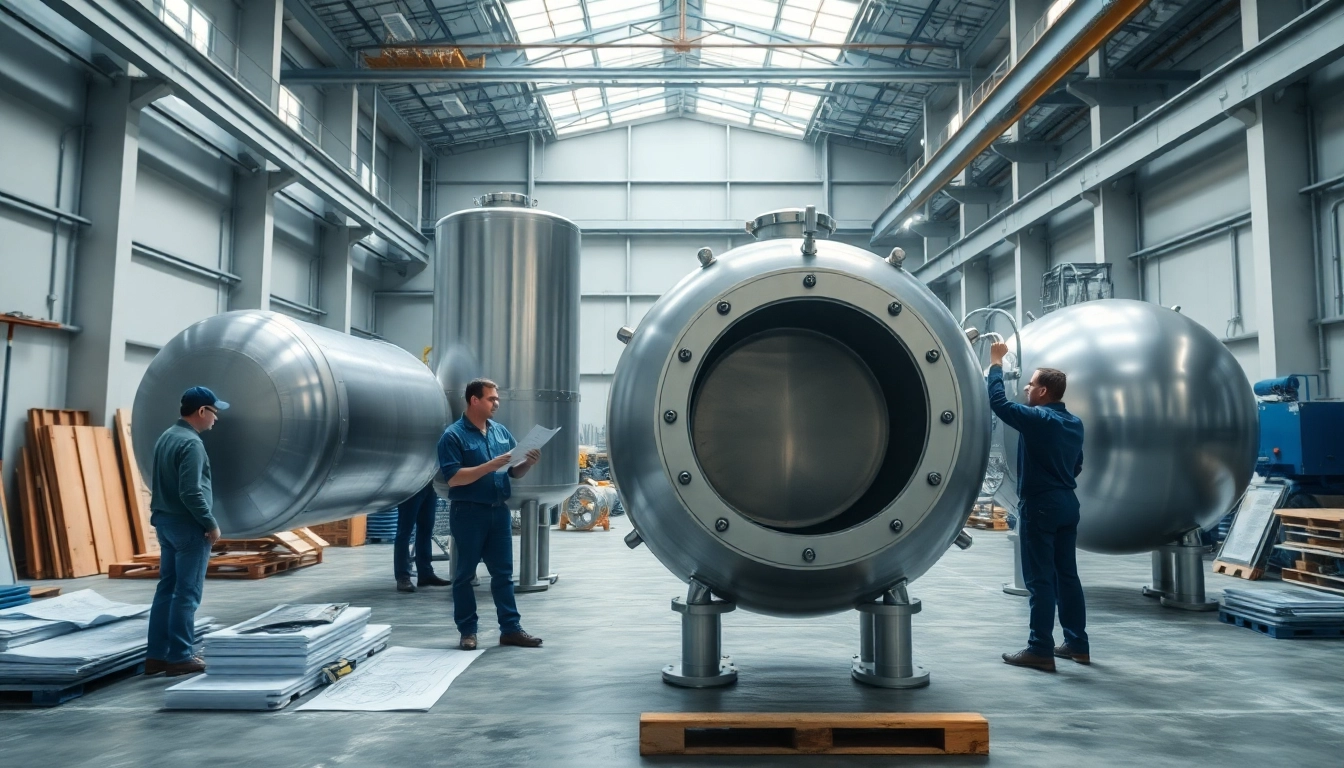
Pressure vessels come in various shapes and configurations, each suited to specific applications:
- Cylindrical Vessels: Commonly used in industries, cylindrical vessels are ideal for storage and transport due to their structural integrity against internal pressure.
- Spherical Vessels: These provide enhanced strength and stability, making them perfect for storing gases and liquids that require high-pressure containment.
- Vertical and Horizontal Vessels: Different orientations cater to space constraints and operational efficiencies in facilities.
- Heat Exchangers: These are specialized pressure vessels designed for efficient heat transfer between fluids.
Various sectors such as oil and gas, chemical processing, and energy rely on pressure vessels, underscoring their importance in industrial applications.
Key Components and Structure of Pressure Vessel Design
The design of a pressure vessel encompasses several critical components:
- Shell: The main body capable of holding pressurized fluids.
- Heads: The ends of the vessel, which can be hemispherical, elliptical, or flat, influencing the vessel's overall strength.
- Nozzles: Openings that allow for the connection of piping and other vessels.
- Supports: Structural components that provide stability and strength.
A thorough understanding of these components is essential so that engineers can design vessels that meet specified operational criteria, including pressure ratings, thermal performance, and material compatibility.
Importance of Safety Standards in Pressure Vessel Design
Safety is paramount when designing pressure vessels. Adherence to strict safety standards, such as those outlined by ASME and other regulatory bodies, ensures the integrity and reliability of pressure vessels throughout their operational lifespan. These standards consider parameters such as:
- Pressure ratings and safety factors.
- Material properties and environmental influences.
- Inspection and maintenance protocols.
Following these guidelines not only ensures compliance but also prevents catastrophic failures and ensures the safety of personnel and infrastructure.
Regulatory Framework for Pressure Vessel Design
Overview of ASME Code for Pressure Vessel Design
The American Society of Mechanical Engineers (ASME) provides a comprehensive framework governing pressure vessel design through its Boiler and Pressure Vessel Code (BPVC). This code includes:
- Section VIII: Pertains to pressure vessels intended for operation at pressures exceeding 15 psi.
- Design Guidelines: Regulations governing material selection, design calculations, and fabrication procedures.
Familiarity with these codes is essential for ensuring that designs are compliant and can withstand the operational demands placed upon them.
Compliance and Inspection Requirements
Compliance with the ASME codes includes rigorous inspection protocols throughout the design and manufacturing stages. These typically involve:
- Design Reviews: Detailed checks of engineering calculations and design drawings.
- Fabrication Inspections: Monitoring the manufacturing process to ensure adherence to specified standards.
- Pressure Testing: Conducting hydrostatic or pneumatic tests to verify the vessel's integrity.
Regular inspections after deployment are also necessary to maintain safety compliance and ensure long-term operational reliability.
Understanding Design Codes and Their Implications
Design codes serve as the benchmark for safe engineering practices. Understanding these codes enables designers to make informed choices about:
- Material specifications: Ensuring compatibility with the fluids contained.
- Design parameters: Choosing proper dimensions based on expected pressure and temperature.
- Installation guidelines: Proper alignment and support systems for the vessels.
Adhering to these guidelines not only boosts safety but also minimizes the risk of operational issues, thereby optimizing the lifecycle performance of pressure vessels.
Design Methodologies and Best Practices for Pressure Vessel Design
Common Design Techniques and Software Tools
Modern design practices integrate various methodologies, leveraging software tools to enhance accuracy and efficiency in pressure vessel design:
- Finite Element Analysis (FEA): A computer simulation technique that helps in predicting how a pressure vessel will react to external forces.
- Computational Fluid Dynamics (CFD): Used for understanding fluid dynamics within pressure vessels, ensuring optimal designs that enhance performance.
- CAD Software: Computer-aided design tools are crucial for creating precise design drawings and simulations.
These tools not only expedite the design process but also improve accuracy, thereby reducing the likelihood of errors that could compromise safety.
Material Selection for Optimal Pressure Vessel Design
The choice of materials is integral to pressure vessel integrity, with factors such as:
- Corrosion Resistance: Acceptable materials must withstand the specific corrosive environments they will encounter.
- Strength-to-Weight Ratio: Utilizing materials that maximize strength while minimizing weight enhances the efficiency of the design.
- Cost-Effectiveness: Balancing performance and cost is vital for budget-conscious projects.
Careful material selection aligns with safety regulations and enhances a pressure vessel's operational longevity.
Challenges in Pressure Vessel Design and Solutions
Pressure vessel design faces numerous challenges, including:
- Compliance with Evolving Standards: Continuous updates to safety regulations necessitate ongoing education and adaptation.
- Material Costs: Fluctuating material prices can impact budgets and project timelines.
- Design Complexity: Integrating advanced technologies for performance optimization requires highly skilled professionals.
Adopting an agile approach to design, regular training, and staying informed about industry trends are practical solutions to overcome these challenges.
Advanced Considerations in Pressure Vessel Design
Thermal and Mechanical Analysis in Pressure Vessel Design
Thermal effects and mechanical stress significantly influence pressure vessel design. Proper analysis helps in:
- Understanding Thermal Expansion: Designing vessels that accommodate expansion and contraction due to temperature variations.
- Stress Analysis: Evaluating the impact of operational pressures on vessel integrity over time.
Such analyses are crucial for the design's safety, durability, and overall performance.
Emerging Technologies in Pressure Vessel Design
The pressure vessel design landscape continually evolves with innovations such as:
- Additive Manufacturing: Using 3D printing for creating complex vessel geometries and reducing wastage.
- Smart Sensors: Integrating IoT devices for real-time monitoring of pressure and temperature.
- Advanced Alloys: Research into new materials that offer better performance under extreme conditions.
These advancements promise enhanced designs, improving safety and efficiency in pressure vessel operations.
Case Studies: Successful Pressure Vessel Design Implementations
Analyzing real-life examples of successful pressure vessel designs reveals best practices, including:
- Optimized Sizing in Offshore Platforms: Utilizing advanced software tools for size calculations to ensure structural integrity under dynamic loads.
- Integration of New Materials: Implementing corrosion-resistant alloys in chemical processing vessels has led to significantly reduced maintenance costs.
Such instances demonstrate the practical applications of theoretical principles and the benefits of innovative design practices.
Future Trends in Pressure Vessel Design
Innovations and Sustainability in Pressure Vessel Design
The next frontier in pressure vessel design emphasizes sustainability, with trends such as:
- Use of Recyclable Materials: Selecting materials that minimize environmental impact at end-of-life.
- Energy Efficient Designs: Creating vessels that reduce energy consumption during operation.
These initiatives are vital for aligning industrial practices with global sustainability goals.
The Role of Automation and AI in Pressure Vessel Design
Automation and artificial intelligence play growing roles in pressure vessel design, offering benefits like:
- Enhanced Design Processes: AI algorithms can assist in generating optimized designs based on predetermined criteria.
- Predictive Maintenance: Utilizing machine learning for monitoring operational conditions and predicting maintenance needs.
These technologies enhance operational efficiency and safety, shaping the future of pressure vessel design.
Career Opportunities within the Pressure Vessel Design Sector
The pressure vessel design field presents numerous career opportunities across various disciplines, including:
- Design Engineers: Responsible for creating and analyzing pressure vessel designs.
- Compliance Inspectors: Ensuring adherence to safety regulations and industry standards.
- Material Scientists: Focusing on research and development of new materials applicable in vessel design.
The increasing complexity and regulation of pressure vessel design guarantee continued demand for skilled professionals in this field.
FAQs about Pressure Vessel Design
What are the primary materials used in pressure vessel construction?
The most common materials include carbon steels, stainless steels, and specialized alloys, selected based on factors like pressure levels, temperature, and media compatibility.
What is the difference between Section VII and Section VIII of the ASME BPVC?
Section VII covers rules for the operation of pressure vessels, while Section VIII focuses on the design, materials, and construction of pressure vessels.
How often should pressure vessels be inspected?
Pressure vessels should typically undergo inspection annually, with additional checks before starting up or after repairs, according to regulatory guidelines.
Can pressure vessels be designed for extremely high pressures?
Yes, pressure vessels can be designed for high pressures by using thicker materials and high-strength alloys, following stringent design codes and safety factors.
What innovations are shaping the future of pressure vessel design?
Innovations include 3D printing, smart monitoring systems, and the development of new materials that improve performance while reducing environmental impacts.