Understanding Gradall: The Versatile Heavy Machinery
What is a Gradall and Its Applications?
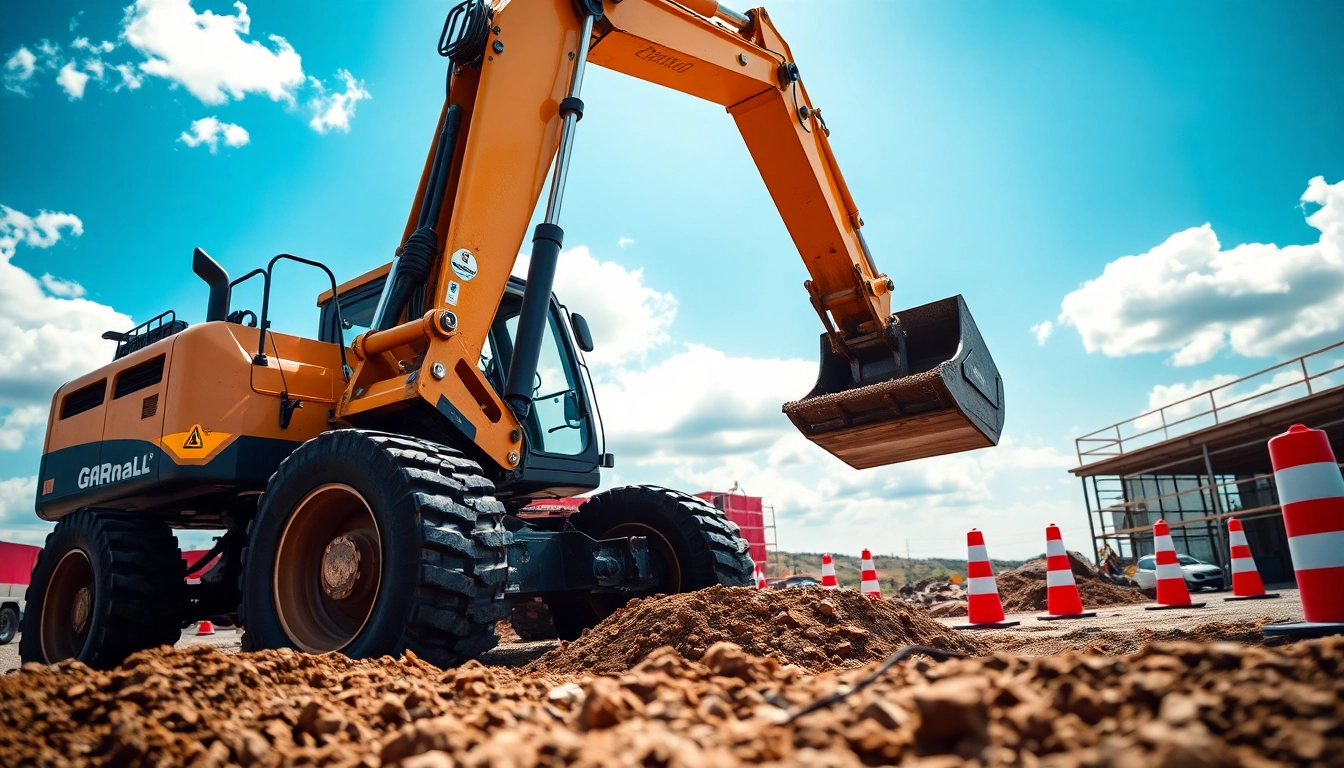
A gradall is a unique piece of construction machinery known for its versatility and efficiency in various applications. Essentially, it operates similarly to a traditional excavator but offers enhanced capabilities, particularly in tasks that require significant reach and precision. The Gradall's extending boom can navigate tight spaces and is highly effective in both urban and rural settings. Among its applications are excavation, lifting, landscaping, and utility installation, making it invaluable in a range of industries.
Advantages of Using Gradalls Over Traditional Equipment
Choosing a Gradall over conventional equipment presents multiple advantages, including:
- Versatility: Gradalls can be used for various projects, reducing the need to rent multiple machines.
- Efficient Maneuverability: With their compact designs and extending booms, Gradalls can work efficiently in limited spaces.
- Improved Visibility: Operators benefit from excellent sightlines, enhancing safety and operational precision.
- Multi-functionality: They can execute tasks ranging from digging to material handling with various attachments.
Key Features of Gradall Excavators
Gradall excavators come equipped with a range of key features that set them apart in the heavy machinery market. These include:
- Telescoping Boom: This feature allows for adjustable reach to navigate obstacles effectively.
- Compact Design: The smaller footprint enables work in confined spaces without sacrificing power.
- Versatile Attachment Options: Gradalls can be fitted with various attachments for increased functionality, such as buckets, grapples, and forks.
- Advanced Hydraulics: These systems improve lifting capacity and operational fluidity.
Operating A Gradall: Best Practices
Essential Safety Measures
Safety should always be the primary concern when operating heavy machinery like a Gradall. Key safety measures include:
- Always conduct a safety meeting with your crew before starting work.
- Ensure operators have the necessary training and certifications.
- Use personal protective equipment (PPE) such as helmets, gloves, and steel-toed boots.
- Be aware of overhead hazards, especially when extending the boom.
- Keep a safe distance from other workers and equipment on-site.
Pre-Operational Checks Before Use
Before operating a Gradall, it is crucial to perform thorough pre-operational checks:
- Inspect Fluids: Check oil, hydraulic fluid, and coolant levels for optimal machine performance.
- Examine the Boom and Attachments: Look for any signs of wear or damage that could affect operation.
- Test Controls: Before starting, ensure all controls function correctly to avoid accidents during operation.
- Visual Inspection: Check for fluid leaks, dirty filters, and loose or damaged parts.
Techniques for Efficient Operation
Efficient operation of a Gradall involves specific techniques that enhance productivity:
- Utilize the Reach: Make full use of the extending boom for tasks requiring height and distance.
- Precise Movements: Utilize slow and deliberate movements for tasks requiring precision.
- Plan Your Route: Always assess the work area before operation to avoid obstacles and maximize efficiency.
- Communicate with Ground Crew: Use hand signals or radios to maintain clear communication during operations.
Maintenance and Care for Your Gradall
Routine Maintenance Checklist
Regular maintenance is essential to keep your Gradall in optimal working condition. Here’s a routine checklist:
- Check and change engine oil regularly based on usage.
- Inspect hydraulic systems for any signs of leaks or damage.
- Replace air and fuel filters as necessary.
- Grease moving parts to ensure smooth operation and prevent wear.
- Examine tires or tracks for wear and ensure proper inflation.
Common Issues and Troubleshooting
Being aware of common issues can save time and prevent costly repairs:
- Machine Not Starting: Check battery connections, fuel levels, and starter functionality.
- Hydraulic Issues: If the boom doesn’t move, inspect hydraulic fluid levels and check for leaks.
- Strange Noises: Unusual sounds can indicate mechanical issues; stop operation immediately and consult a professional.
- Overheating: Check coolant levels and ensure radiator is clean and free from obstructions.
When to Call in a Professional
While some maintenance tasks can be handled in-house, knowing when to call a professional is essential. Below are circumstances that warrant professional intervention:
- Complex mechanical repairs that require specialized tools or knowledge.
- Persistent hydraulic issues that aren’t resolved by routine troubleshooting.
- Electrical system malfunctions that can pose safety risks if mismanaged.
- Major damages resulting from accidents that require extensive repair.
Gradall in Various Industries
Construction: A Key Player
In the construction sector, Gradalls play a vital role across projects such as:
- Site Preparation: They excel at excavation and ground leveling.
- Material Handling: Their ability to reach high places makes them ideal for lifting construction materials.
- Paving Work: Gradalls are instrumental in preparing bases for roads and sidewalks.
Landscaping Uses for Gradall
The landscaping industry utilizes Gradalls for tasks including:
- Grading and Drainage: Efficiently shaping the land for aesthetic and functional purposes.
- Tree Removal: Gradalls can handle difficult tree removals, especially in confined spaces.
- Planting and Soil Work: Their versatility allows for various soil management tasks.
Utility Work: Efficient Solutions with Gradall
Utility companies find Gradalls invaluable for their ability to:
- Install Utility Lines: Their precision makes them suitable for trenching and installing electrical, gas, and water lines.
- Perform Maintenance: Gradalls can be used to reach overhead lines requiring repair.
Investing in Gradall: What You Need to Know
Cost vs. Value: Assessing Your Investment
Investing in a Gradall requires a careful assessment of both cost and value. Consider the following:
- Initial Investment: Analyze the purchase cost versus your project needs and budget.
- Operational Savings: Assess how Gradalls can streamline jobs and reduce manual labor.
- Long-Term Value: Quality machines retain value and can be resold in the future.
Choosing the Right Gradall for Your Needs
Selecting the correct Gradall model is crucial to maximizing operational efficiency. Factors to consider include:
- Project Scope: Larger projects may require more robust models with enhanced capabilities.
- Terrain Requirements: Adaptability to various ground conditions is essential.
- Attachment Compatibility: Ensure that the Gradall you select can handle the attachments you plan to use.
FAQs on Buying and Leasing Gradalls
1. What is the average cost of a Gradall?
The cost varies widely based on model and features. Generally, prices range from $100,000 to $500,000.
2. Should I buy or lease a Gradall?
This depends on your financial situation and projected usage. Leasing may benefit projects with short-term needs.
3. How do I maintain a Gradall?
Routine inspections, regular fluid checks, and following the manufacturer's maintenance guide are key to upkeep.
4. What types of attachments can be used with Gradalls?
Common attachments include buckets, augers, and grapples, allowing for diverse applications.
5. Are Gradalls suitable for small projects?
Yes, their compact design and versatility make them ideal for both small and large projects in various environments.