What Are Fluid Power Systems?
Definition and Overview
Fluid power systems are integral to modern machinery and automation, utilizing the principles of hydraulics and pneumatics to convert energy into mechanical power. These systems operate on the movement and control of fluid, providing an effective means of transferring power in various industrial applications. Essentially, fluid power systems encompass a variety of components designed to work together, delivering efficiency and precision in operations.
Fluid power systems find applications ranging from construction machinery and manufacturing equipment to aerospace and automotive industries. The reliable and robust nature of these systems makes them a preferred choice for demanding applications. By understanding the core elements of fluid power systems, including their components, operational principles, and types, engineers and technicians can design more effective systems tailored to specific operational needs. For more insights into the design and implementation of fluid power systems, this article delves into various aspects surrounding them.
Components of Fluid Power Systems
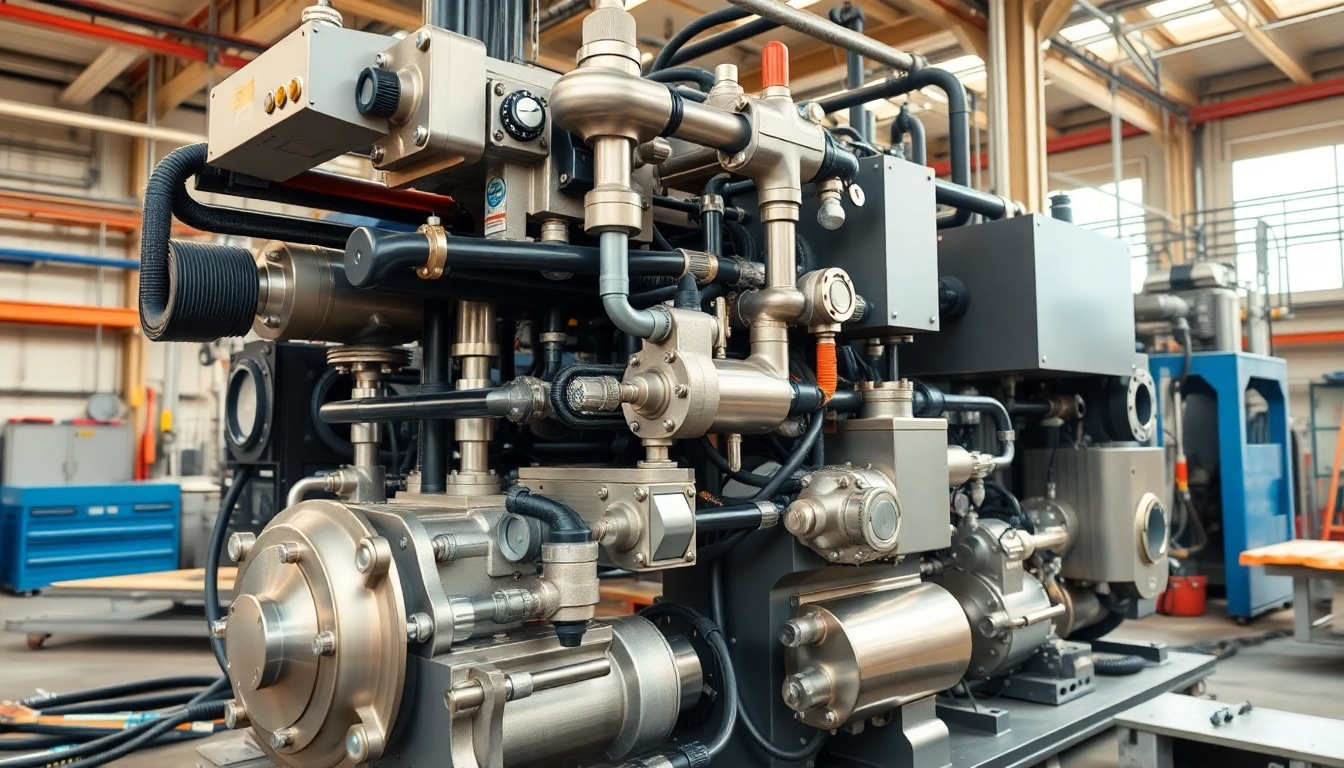
Fluid power systems comprise several key components that work synergistically to ensure functionality and efficiency. The essential components include:
- Hydraulic Fluid or Compressed Air: The medium that carries energy through the system, hydraulic fluids are typically used in hydraulic systems, while air is the medium for pneumatic systems.
- Pumps and Compressors: These components create the flow of fluid or air, allowing energy transfer from the power source to the mechanism.
- Actuators: The devices that convert hydraulic or pneumatic pressure into mechanical motion, actuators can be linear (e.g., cylinders) or rotary (e.g., motors).
- Valves: Essential for controlling the flow and direction of fluid, valves regulate pressure and can either be manual or automatically actuated.
- Reservoirs: These serve as storage for hydraulic fluid in hydraulic systems, ensuring that there is a sufficient supply to maintain operations.
- Filters: Filters help maintain fluid quality by removing contaminants, preserving the integrity and longevity of the system.
Operational Principles
The operational principles behind fluid power systems are grounded in basic physics. The fundamental operation arises from Pascal's Law, which states that a change in pressure applied to an enclosed fluid is transmitted undiminished throughout the fluid. This property enables fluid power systems to transmit large amounts of power with relative ease.
In hydraulic systems, for instance, a small input force applied to a piston leads to a larger output force due to the relationship defined by the area of the pistons involved. Conversely, pneumatic systems operate by compressing air, leading to similar principles of pressure and volume management. Understanding these principles allows engineers to quantify the system's capabilities effectively.
Types of Fluid Power Systems
Hydraulic Systems
Hydraulic systems utilize liquid under pressure, typically oil, to transmit power. They are known for their ability to generate high forces with relatively compact equipment, making them suitable for applications such as excavators, cranes, and other heavy machinery. The major components include hydraulic pumps, actuators, valves, and hydraulic fluid reservoirs.
One of the key advantages of hydraulic systems is their power-to-weight ratio, which makes them ideal for lifting and moving heavy objects. However, they come with the challenge of potential leaks and maintenance needs associated with hydraulic fluid quality.
Pneumatic Systems
Pneumatic systems, on the other hand, use compressed air or gas to transmit power. They are prevalent in applications requiring lighter force output, such as assembly lines, packaging machines, and tools like pneumatic drills. The foundational components include air compressors, actuators, valves, and pressure regulators.
Pneumatic systems are characterized by their speed and simplicity. They tend to have lower energy consumption and require less maintenance compared to hydraulic systems. However, their force limitations make them less suitable for heavy lifting applications.
Comparative Analysis
When comparing hydraulic and pneumatic systems, several factors come into play, including energy efficiency, force capacity, operating speed, and system complexity. Hydraulic systems excel in applications demanding high force and torque and under high load conditions, while pneumatic systems offer quick actuation and ease of integration in lighter-duty applications.
Despite their differences, both hydraulic and pneumatic systems play critical roles in industrial environments. Understanding their strengths and weaknesses assists engineers in selecting the most appropriate system for specific applications.
Applications of Fluid Power Systems
Industrial Machinery
Fluid power systems dominate the realm of industrial machinery, providing the backbone for automated processes throughout manufacturing plants. They are instrumental in tasks such as pressing, forging, and material handling. Hydraulic presses, for example, are used extensively for molding and shaping materials, utilizing the high force generated by hydraulic pressure.
Pneumatic systems find their niche in assembly lines, powering tools and equipment essential for lightweight applications. Their ability to install quickly and operate smoothly contributes to greater production efficiency.
Aerospace Engineering
In aerospace engineering, fluid power systems are critical for operating various flight mechanisms, landing gear, and braking systems. Hydraulic systems are preferred due to their ability to function reliably under extreme conditions, including variations in pressure and temperature experienced at high altitudes.
The precise control enabled by hydraulic actuators ensures the safety and effectiveness of aerospace operations, helping manufacturers maintain tight tolerances and safety standards.
Automotive Applications
The automotive industry extensively employs fluid power systems in numerous applications, from hydraulic brakes to power steering mechanisms. Hydraulic systems play a crucial role in providing the necessary stopping power by utilizing fluid pressure. Power steering systems enhance maneuverability, allowing drivers to steer vehicles seamlessly.
Pneumatics also find application in automotive processes, including paint spraying and assembly operations, showcasing the versatility of fluid power in enhancing both functionality and production efficiencies.
Designing Efficient Fluid Power Systems
Key Considerations for Design
When designing fluid power systems, certain key considerations must be assessed to ensure efficiency and reliability. First, the operational requirements must be defined, including the required force, speed, and environment in which the system will operate. The choice of fluid (hydraulic oil or compressed air) is crucial, impacting performance and maintenance needs.
Additionally, selecting the right components, ensuring compatibility, and performing stress analyses on pipes, actuators, and fittings is imperative. Proper layout design enables easier maintenance and contributes to life-cycle operational efficiency.
Common Challenges and Solutions
Fluid power systems often face challenges such as leaks, component wear, and contamination of the fluid. To address leaks, engineers utilize state-of-the-art seals and regularly scheduled maintenance checks. Component wear can be mitigated through the selection of high-quality materials designed to withstand operational stresses.
Addressing fluid contamination requires implementing effective filtration systems and establishing a routine maintenance schedule to monitor fluid quality, ensuring system longevity.
Best Practices in Implementation
When implementing fluid power systems, best practices involve pre-emptive designs and careful integration of components. Using simulation software can help predict system behavior and optimize performance before physical implementation. Adopting standardized components simplifies maintenance and replacement procedures.
Additionally, ongoing training for operators and maintaining a well-documented maintenance log will ensure that systems operate efficiently and any arising issues are promptly addressed.
Measuring Performance and Efficiency
Performance Metrics to Monitor
Assessing the performance of fluid power systems requires monitoring several key metrics, including pressure readings, flow rates, and temperature data. Pressure gauges indicate whether the system maintains appropriate pressure levels for optimal performance.
Flow meters assess fluid movement, allowing operators to spot deviations that may signal system vulnerabilities. Meanwhile, temperature sensors help identify overheating components, delineating the need for preventive maintenance before significant failures occur.
Maintaining System Efficiency
To maintain system efficiency over time, regular maintenance and inspection protocols must be established. This includes checking and replacing filters, monitoring fluid quality, and ensuring seals and hoses are intact. Regularly calibrating the system as required also helps retain performance accuracy.
Utilizing predictive maintenance technologies can further enhance system performance. By analyzing data trends, organizations can foresee maintenance needs instead of following reactive approaches, thereby minimizing downtime.
Future Trends in Fluid Power Systems
The future of fluid power systems signals exciting advancements driven primarily by automation and digital controls. The integration of IoT technologies into fluid power systems allows for real-time data monitoring and analytics, paving the way for smarter operations.
Furthermore, there is a growing focus on hydraulic system optimization, leveraging energy-efficient components and eco-friendly fluids to decrease environmental impact. The ongoing innovations in fluid power systems promise to enhance efficiency and sustainability across various industries.
Frequently Asked Questions
What is fluid power?
Fluid power refers to the use of liquids or gases under pressure to transmit and control power within various machinery and applications.
How do hydraulic systems work?
Hydraulic systems function by transmitting force through incompressible fluids, which create pressure changes that activate pistons and other components.
What are the advantages of pneumatic systems?
Pneumatic systems are lightweight, fast-acting, and less prone to leakages compared to hydraulic systems, making them ideal for many assembly applications.
How can I improve the efficiency of my fluid power system?
To enhance efficiency, conduct regular maintenance, monitor metrics like pressure and flow, and utilize high-quality components to prevent issues.
What future trends are influencing fluid power systems?
The integration of IoT technologies and a focus on energy-efficient designs are significant trends poised to enhance fluid power system performance and sustainability.
Contact Information
Call Us: 780.452.2876Email: [email protected]Address: 13111 159 Street Edmonton, AB T5V 1H6